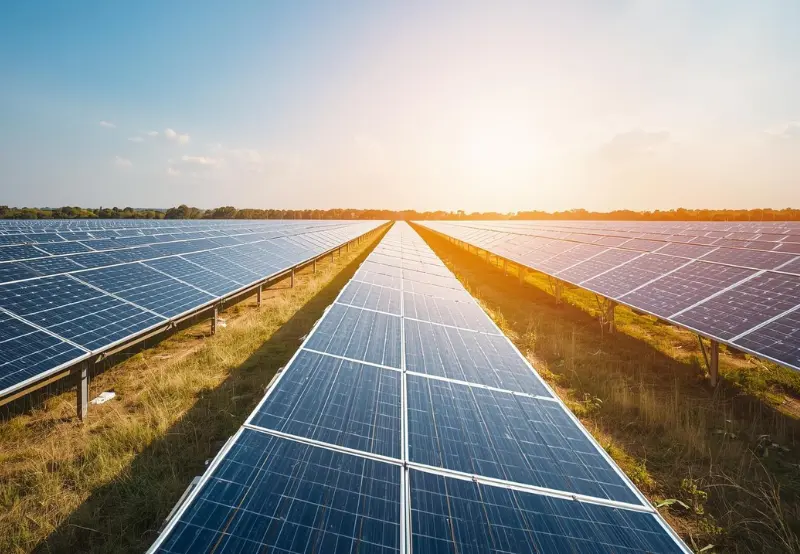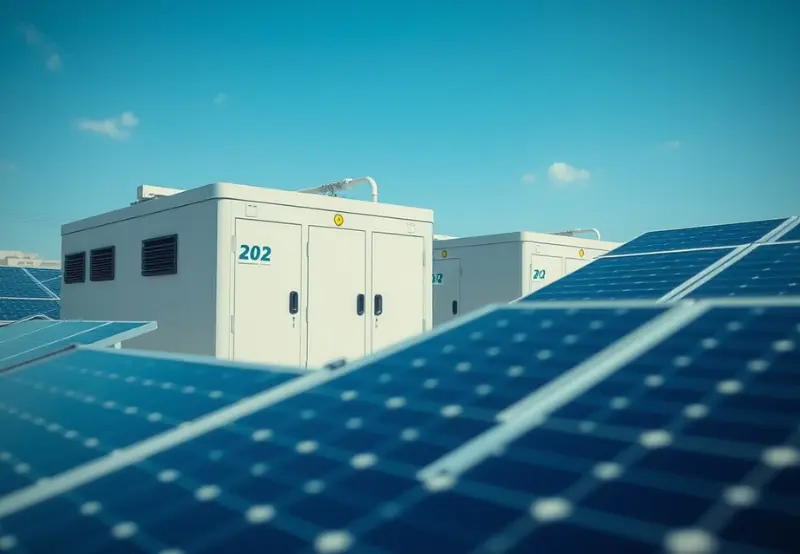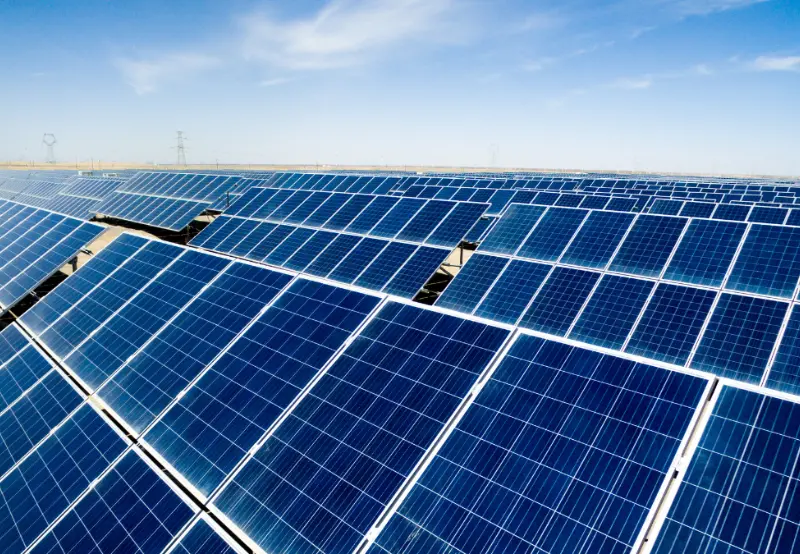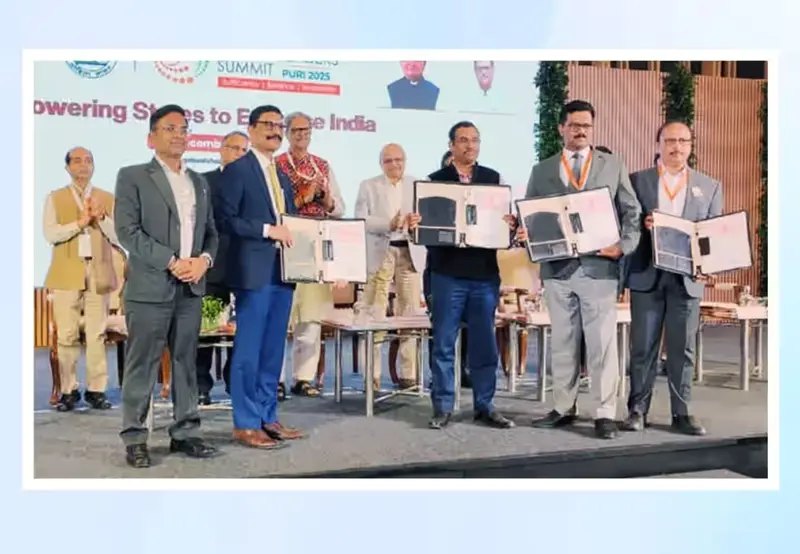

In a major step towards accelerating clean energy deployment, the Solar Energy Corporation of India (SECI) and the Government of Odisha have signed a memorandum of understanding (MoU) to collaborate on renewable energy projects, battery energy storage systems (BESS), and floating solar installations. This partnership marks a significant milestone for the state’s energy transition and reflects India’s broader push to expand sustainable power infrastructure.
A New Era for Renewable Energy in Odisha
Under the MoU, SECI and the Odisha government will work together to identify, plan and develop large-scale renewable energy projects across the state. This includes:
- Solar power installations on land and water bodies
- Battery energy storage systems (BESS) to support grid stability and peak-demand management
- Floating solar projects that utilise reservoirs and water surfaces for power generation
The collaboration aims to harness Odisha’s vast renewable energy potential while ensuring reliable and resilient power supply for residents and industries.
Why This Partnership Matters
Boosting Renewable Capacity: Odisha has traditionally relied on conventional energy sources such as coal and thermal power. The SECI partnership introduces a clear roadmap for deploying clean energy at scale — helping the state diversify its power mix and reduce carbon emissions.
Addressing Grid Variability: Renewable energy — especially solar — can be variable, producing power only when the sun is shining. By integrating BESS into project planning, the partnership enhances grid flexibility and ensures power availability even when generation dips, such as during cloudy weather or after sunset.
Innovative Floating Solar: Floating solar technology avoids land-use challenges by placing solar panels on water bodies like reservoirs and irrigation tanks. This not only generates electricity without occupying farmland, but also reduces water evaporation — a valuable benefit in areas facing water scarcity.
Economic and Social Benefits
The SECI–Odisha partnership is expected to generate employment in the clean energy sector, stimulating activities in project development, construction, operations and maintenance. Local communities will likely benefit from improved energy access, reduced electricity costs, and enhanced support for growth sectors such as manufacturing and agriculture.
The development of BESS and floating solar projects can also attract private investment, fostering a cleaner industrial ecosystem and creating a competitive renewable energy market within the state.
Aligning with National Clean Energy Goals
This agreement supports India’s national goals of reaching ambitious renewable capacity targets and achieving net-zero emissions by 2070. By focusing on solar and storage technologies, Odisha is positioning itself as a frontrunner in the renewable energy transition among Indian states.
The MoU also reflects increasing consensus across policymakers, utilities and the private sector that energy storage and innovative technologies like floating solar are essential for the future of power systems.
Looking Ahead
With planning underway, the next phase will involve detailed project studies, site assessments and implementation timelines. As SECI and Odisha move from agreement to action, key success factors will include:
- Effective project execution and monitoring
- Collaboration with technology providers and developers
- Streamlined regulatory and clearance processes
- Engagement with local communities and stakeholders
Conclusion
The partnership between SECI and the Government of Odisha to develop renewable energy, battery storage and floating solar projects marks a transformative moment in the state’s energy journey. This forward-looking collaboration is expected to deliver cleaner, more reliable and cost-effective power, while supporting broader economic growth and environmental sustainability. As India continues to embrace renewable energy, initiatives like this set the stage for a cleaner and greener power future for all.