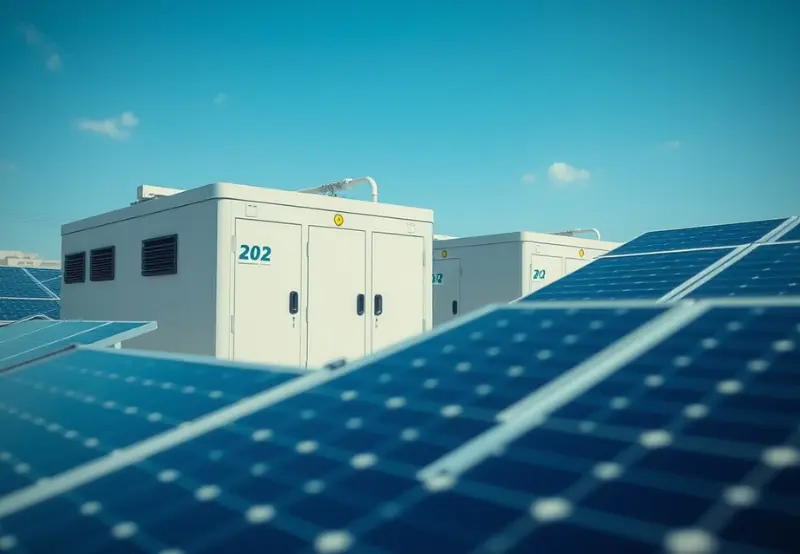
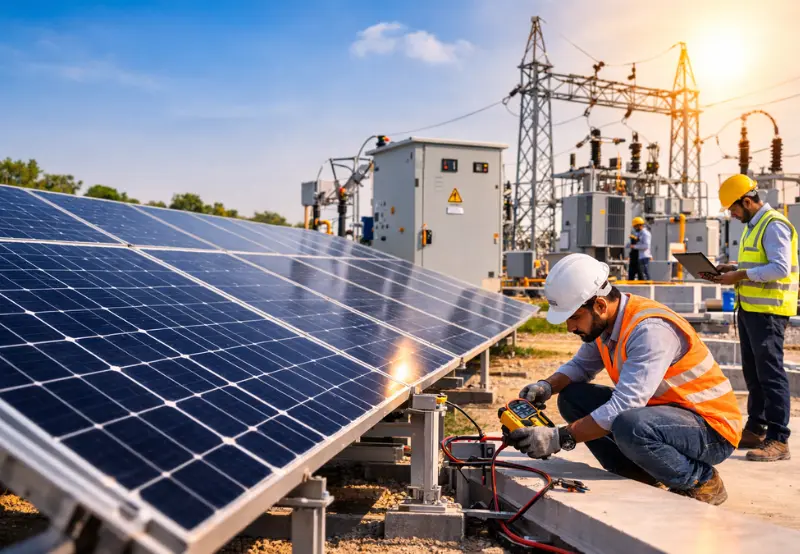
Kerala is stepping into a new era of renewable energy with a bold set of draft regulations introduced by the Kerala State Electricity Regulatory Commission (KSERC). These rules underline the crucial role of energy storage systems, especially Battery Energy Storage Systems (BESS) and Pumped Storage Plants (PSPs), in stabilising the state’s evolving clean-power grid.
Why Now? A Strategic Shift
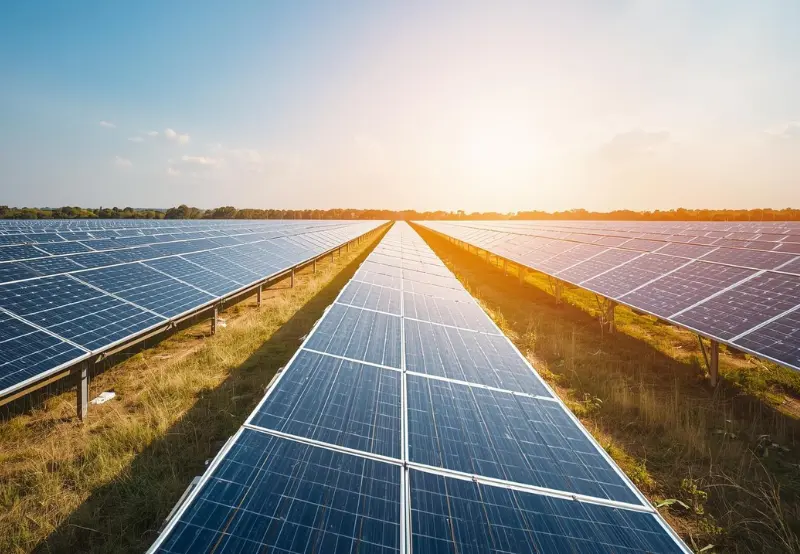
Previously, regulations leaned heavily on expanding renewable generation capacity. But with intermittent solar and wind becoming dominant, the focus is shifting towards ensuring that all that green power is actually usable on demand. Storage fills this gap, enabling excess power harvested during daylight to be released when needed—including after sunset .
Key Highlights of the Draft Rules
- BESS Lifespan & Registration
Standalone battery systems are assigned a useful life of 12 years. Project approvals must be obtained online within 45 days of technical feasibility, with registration finalised within three working days, ensuring faster project roll-out . - Prosumers Get Flexibility
Rooftop solar owners and small-scale producers (up to 3 MW) can choose from net‑metering, gross‑metering, or net‑billing. The draft also supports emerging models like peer-to-peer trading, virtual net metering, and virtual power plants, letting prosumers trade surplus power within their communities . - Vehicle-to-Grid (V2G) & Smart Tariffs
Paving the way for electric vehicles to interact with the grid, the rules explore vehicle-to-grid schemes, including time-of-use tariffs and incentives—letting EVs feed stored power back into the system during peak deman. - Streamlined Approval Timelines
The regulations mandate online feasibility approval within 15 days, registration in 3 days, and an all-in project clearance within 135 days—minimising red tape and encouraging rapid deployment of storage systems .
What This Means for Kerala
Kerala targets net-zero emissions by 2050 and a fully renewable energy supply by 2040 . Integrating storage—both BESS and PSP—will be essential to manage daily demand patterns and support electric vehicles, while enhancing grid reliability and reducing reliance on imports.
The Takeaway
These draft regulations don’t just expand renewable generation—they unlock the real potential of green energy in Kerala. By emphasising storage, smart billing, prosumer empowerment, and grid innovation, Kerala is crafting a resilient clean-energy ecosystem shaped for the future.