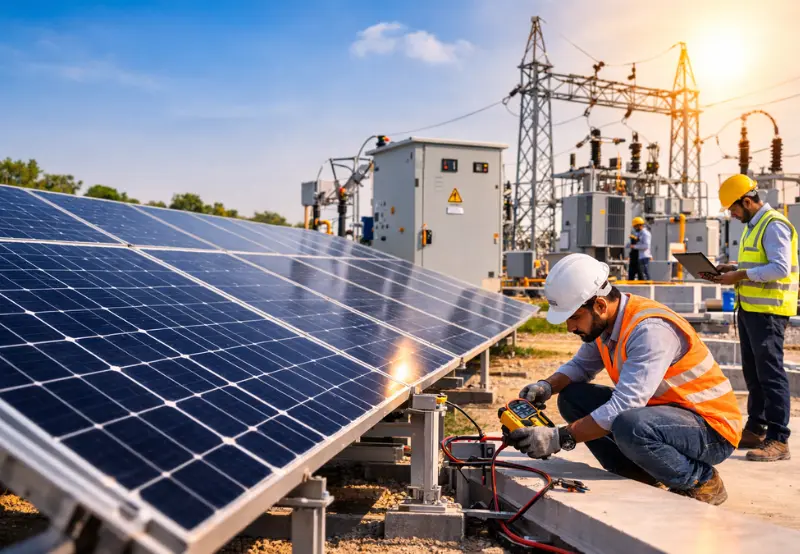
Wisconsin Charges Ahead with Green Energy
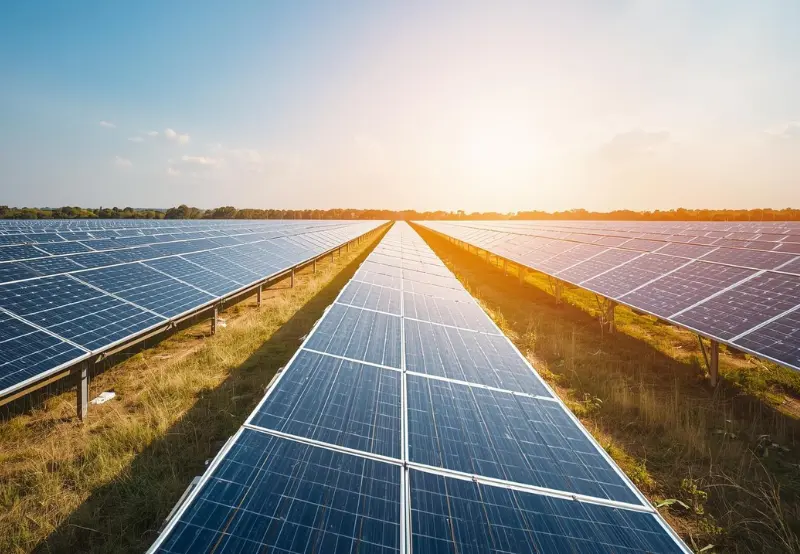
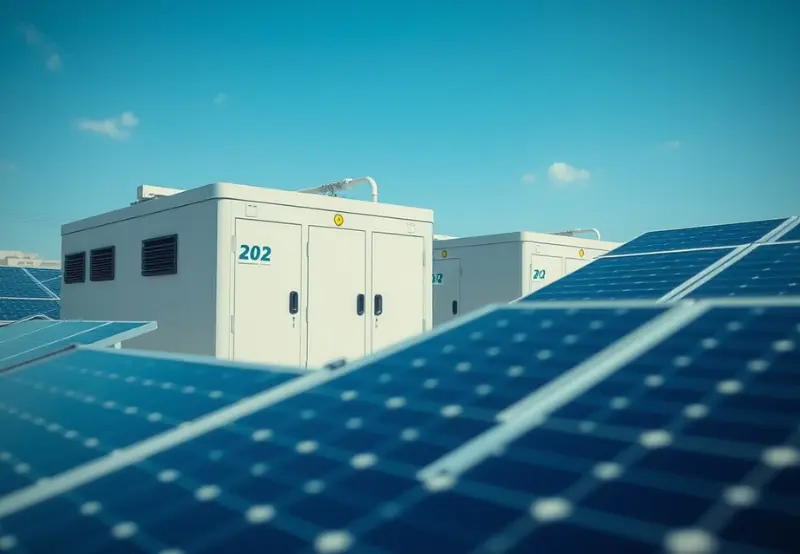
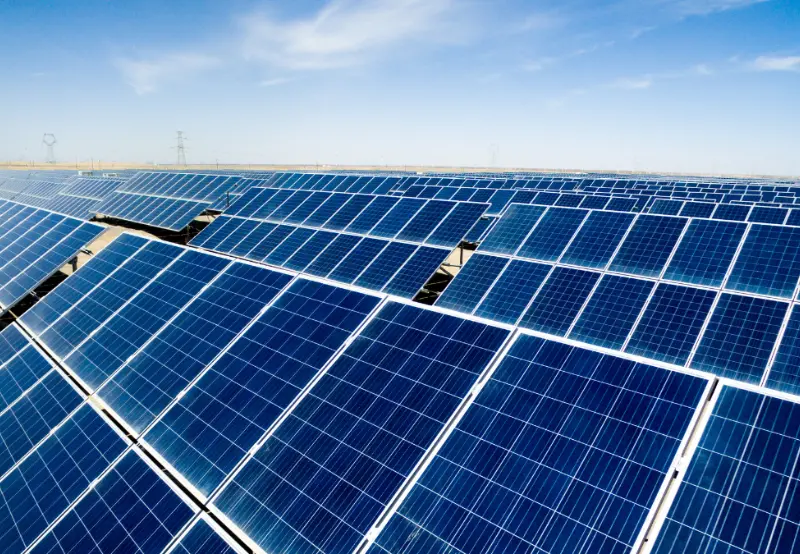
In June 2025, Wisconsin celebrated a milestone in clean energy when We Energies, alongside Wisconsin Public Service (WPS) and Madison Gas & Electric (MGE), flipped the switch on the state’s first large‑scale battery energy storage system (BESS). Nestled within the Paris Solar‑Battery Park in Kenosha County, this 110 MW installation supports a 200 MW solar farm that has been streaming power since December 2024.
Why 110 MW Really Hits Home
This isn’t just industry jargon—the BESS delivers up to four hours of power to more than 130,000 homes, effectively capturing daylight energy to light up houses long after the sun goes down . During sunny periods, excess solar output gets stored. As evening falls or clouds roll in, the batteries kick in, stabilising the grid and keeping the lights on. It’s energy insurance, without the fossil fuels.
A Powerhouse Partnership
- Lead Developer & Owner: The project was built by Invenergy, a top independent power producer in North America .
- Ownership Mix: While We Energies holds the majority, the remaining stake is split between WPS and MGE. All three fall under the WEC Energy Group umbrella.
- Historical Context: This solar‑plus‑storage site follows other Invenergy-backed collaborations—like the High Noon Solar Energy Centre and the Koshkonong Solar Energy Centre, both involving shared solar and battery investments.
Project Budget & Transparency
Initially pegged at approximately $400 million in 2021, costs grew to $574 million by March 2025—over $100 million more than forecasted. We Energies attributes this to pandemic-era disruptions in supply chains, inflated labour costs, and solar panel import delays. The Wisconsin Public Service Commission is now scrutinising these overruns, weighing how much should be absorbed by shareholders versus ratepayers.
Clean Energy with a Strategic Mix
Mike Hooper, We Energies’ president, described the project as “historic” and emphasised its critical role in balancing Wisconsin’s energy needs across weather and daylight cycles. Brendan Conway from WEC Energy Group noted that storing solar “excess” during the day and using it in the evening helps stabilise the grid and shields consumers from extremes of power demand .
Meanwhile, critics like Clean Wisconsin applaud the new storage but warn it coincides with approvals for two new natural gas plants—suggesting a mixed‑fuel future that still leans on gas .
Scaling Up: What Comes Next?
More battery systems are on the horizon in the Badger State:
- A planned 200 MW/800 MWh BESS in Green Bay is awaiting final permits.
- The Koshkonong Solar & Storage Centre in Dane County aims to deliver 300 MW of solar and 165 MW of battery backup—and despite initial cost estimates of $649 million, price tags now exceed $900 million.
- Plus, the Black Mountain Energy Storage project in Milwaukee is poised to surpass Paris Park in scale, with a formidable 300 MW/1,200 MWh capacity.
At the national level, battery storage deployment is surging: Q1 2025 saw a record 1.6 GW of BESS installations—part of 7.4 GW of clean‑energy capacity added—bringing the US total beyond 30 GW, a 65% increase year-over-year.
Why It Matters
- Energy Security
BESS systems provide backup on cloudy days or during peak evening hours—reducing the need for fossil fuel plants and enhancing grid resilience. - Cost Savings
Though pricier to build, these systems benefit from federal clean‑energy tax credits (e.g., Inflation Reduction Act), lowering long-term costs and guard against volatile energy pricing . - Scaling Climate Solutions
Wisconsin ranks 18th in US solar capacity (~2.9 GW), and battery storage ensures this clean energy keeps working day and night .
Sunshine Stored” Brings Renewables Round-the‑Clock
The Paris Solar‑Battery Park represents a dramatic pivot in Wisconsin’s power story. Fifteen years ago, coal, natural gas, and nuclear ruled the energy mix. Today, solar + storage is reshaping that blueprint—unleashing cleaner, greener power day and night. As more BESS projects come online, Wisconsin edges closer to a decarbonised, resilient future.