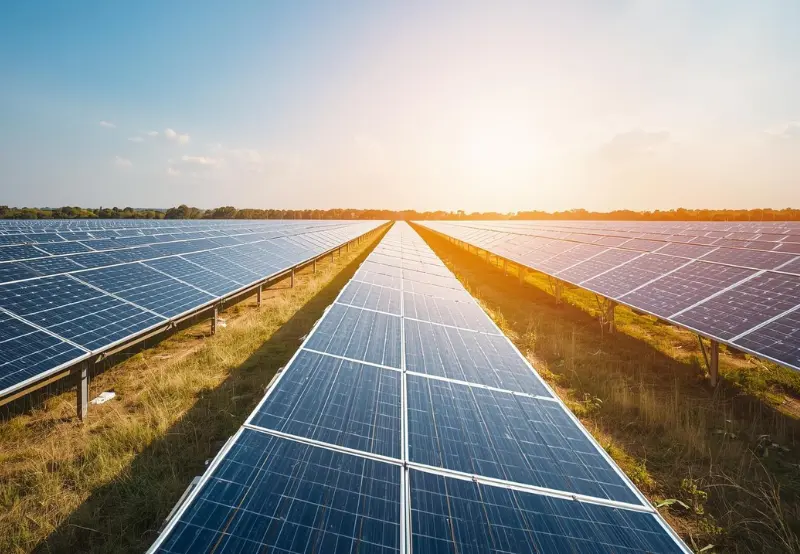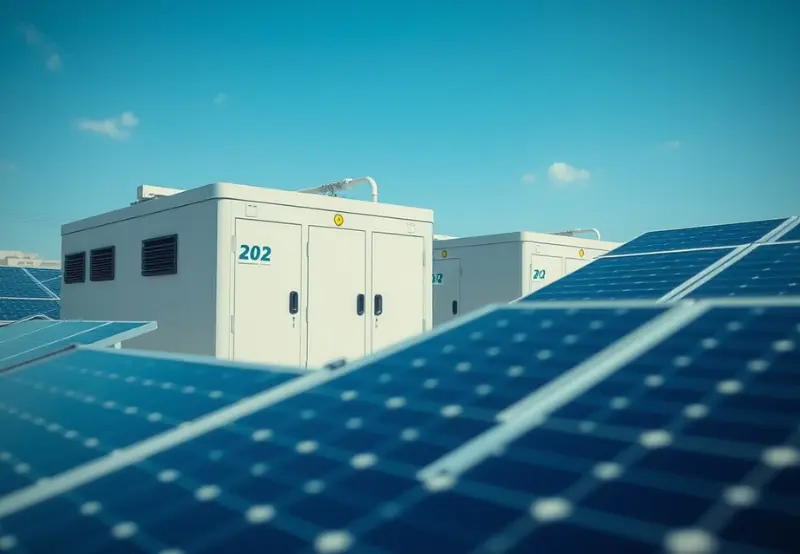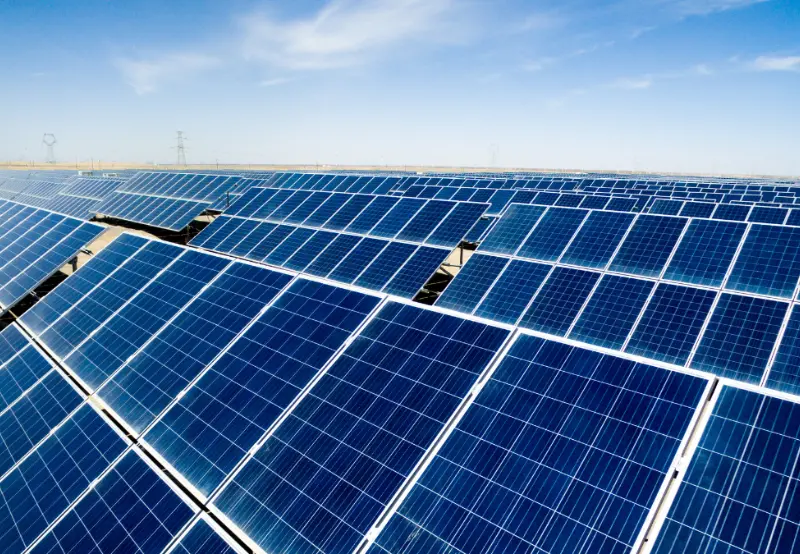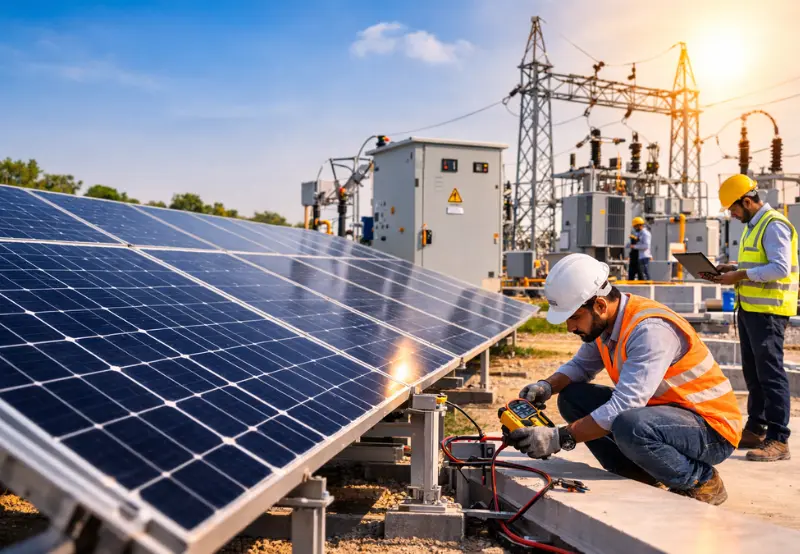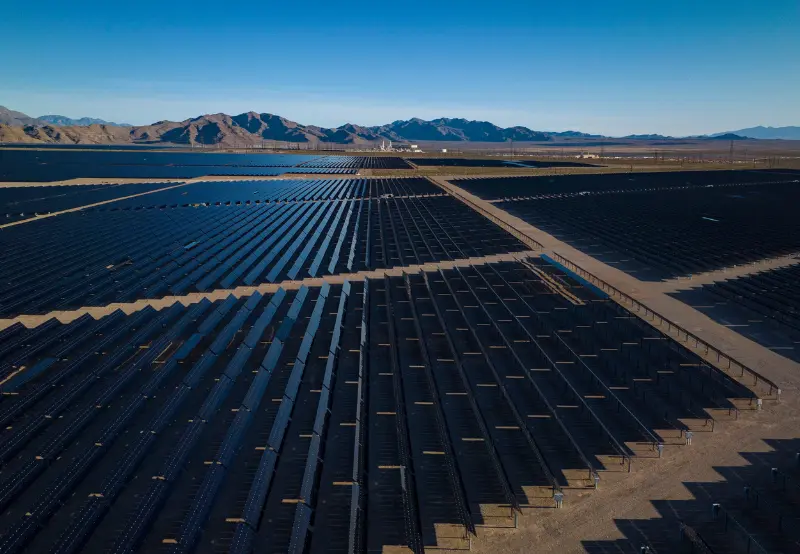

The U.S. administration has cancelled the Esmeralda 7 solar and storage project in Nevada, signalling a major rollback of solar ambitions. Dive into policy, impact, and the future of renewables in America.
Trump Cancels Nevada Solar Project: A Blow to U.S. Clean Energy
In a dramatic turn, the Trump administration has pulled the plug on what would have been one of North America’s largest solar developments — the Esmeralda 7 solar and battery project in Nevada. This move is likely to reshape the trajectory of renewable energy policy in the U.S. and raise alarm among clean power advocates.
Under the Biden era, the Esmeralda 7 project had advanced through major regulatory reviews, but the decision to cancel its environmental review marks a strong policy shift.
What Was Esmeralda 7?
- The project consisted of seven contiguous solar farms plus battery storage, slated to generate 6.2 GW of clean power — enough for nearly two million homes.
- It was proposed over 62,000 acres of public land in Esmeralda County, western Nevada.
- Developers like NextEra, Arevia, Leeward, Invenergy had committed to the project.
- In cancelling a programmatic environmental impact statement (EIS), the Bureau of Land Management (BLM) opted instead to review each sub-project individually.
Why the Cancellation Matters
1. Policy Reversal & Signal to Industry
The cancellation signals a stronger regulatory posture under the current administration—renewable projects on federal lands now face significantly higher scrutiny.
2. Investment Uncertainty
With large projects being cancelled at late stages, investors and developers may see heightened risk, especially for solar + storage proposals that depend on federal land or approvals.
3. Grid & Energy Security Impacts
Esmeralda 7 would have provided dispatchable, clean power and battery back-up. Losing that supply may slow the transition from fossil sources in the region’s grid mix.
4. Environmental & Political Pushback
Conservation groups and local stakeholders opposed the original scale citing land use, biodiversity and cultural concerns. Some welcomed the cancellation.
The Path Forward: Fragmented Reviews & New Hurdles
With the cancellation of the aggregated review, developers now must submit individual proposals for each component project. This increases costs, delays, and regulatory complexity.
The Trump administration’s expanded oversight agenda includes stricter reviews of solar, wind, and transmission, even on private land, intensifying the struggle for clean energy developers.
What This Means for Renewable Energy in the U.S.
- Solar and storage developers will need to factor higher risk and regulatory friction into project models.
- Some megaprojects under review may be scrapped or scaled down to avoid difficult federal land processes.
- State and local policies may gain importance: jurisdictions that can permit and support solar will become safer bets for investment.
- Clean energy goals — especially for remote or public land deployment — may slow unless there’s policy correction or legislative support.
For more solar news, Visit, Solar News