A new tax and spending package dubbed Trump’s “One Big Beautiful Bill” has passed the US House and is now under Senate review, threatening to significantly roll back clean-energy support. Analysts warn it could jeopardise approximately 600 GW of renewables and storage projects unless amended.
Compressed Deadlines Put Projects at Risk
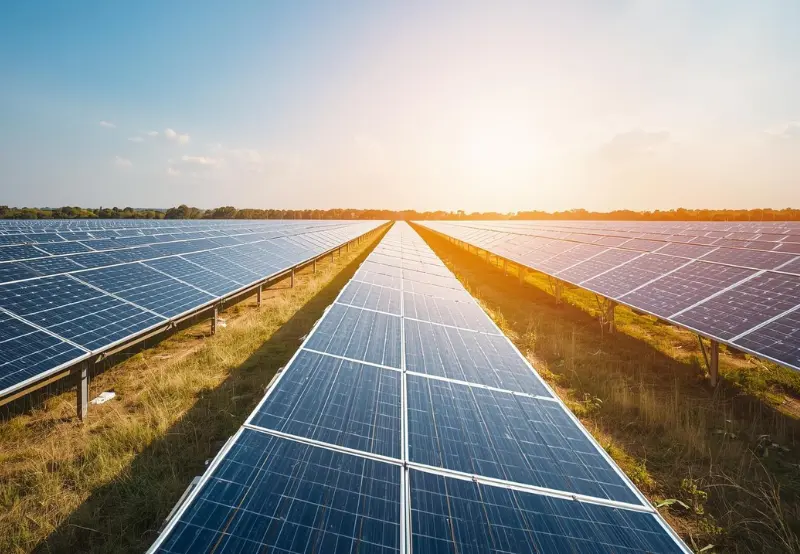
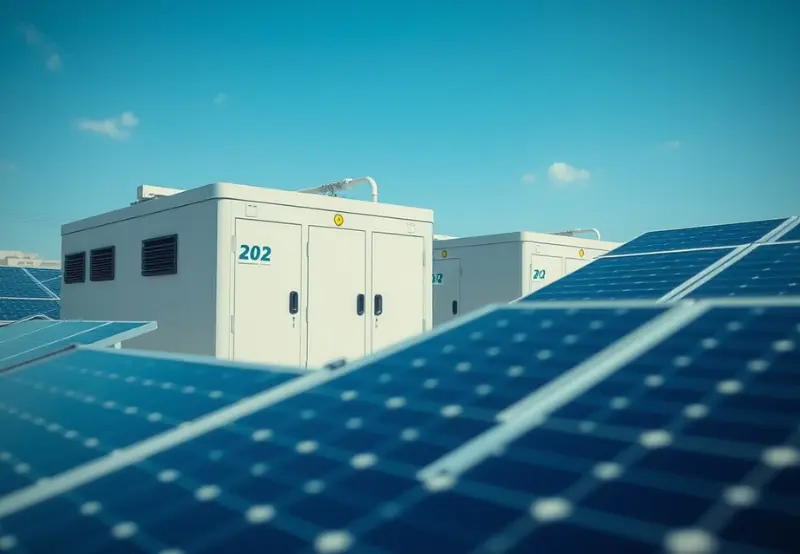
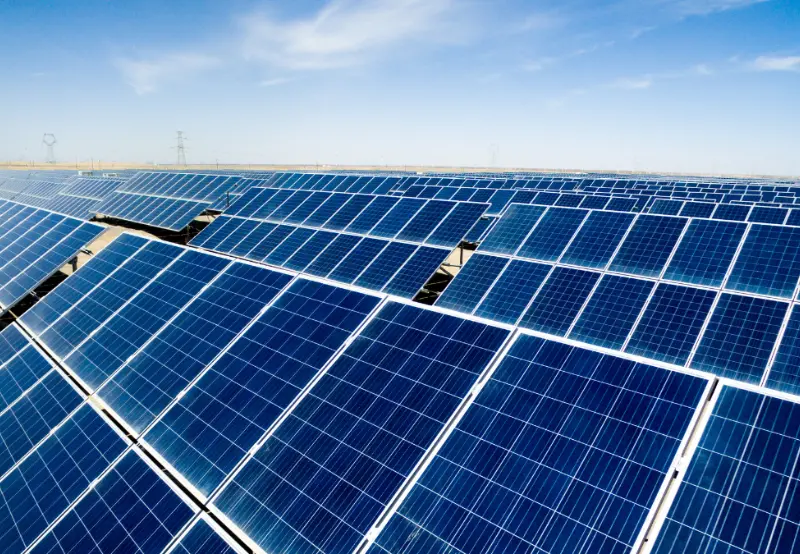
Under the revised legislation, developers must begin construction within just 60 days of enactment and bring projects online by 2028—a stark cut from the original 2032 deadline established under the Inflation Reduction Act. This sharp acceleration puts 265 GW of battery storage, 223 GW of solar, and 114 GW of wind firmly in jeopardy.
Bipartisan Alarm Over Energy & Economic Fallout
• Industry leaders, including NextEra’s John Ketchum, warn that stripping out tax incentives for renewables could derail the expansion of clean power, even as demand for electricity soars—driven by emerging technologies like AI data centres .
• Analysts project a surge in construction activity as developers race to meet the tight deadlines, followed by a steep decline in 2029 and beyond .
• Long‑term outcomes may include higher electricity costs, as clean energy currently often undercuts fossil-fuel sources in terms of production cost .
Supply-Chain Disruptions & Foreign-Sourcing Constraints
The bill also introduces stringent restrictions on sourcing components from “foreign entities of concern”, primarily targeting Chinese suppliers. This measure threatens to disrupt solar, wind, and battery production, creating uncertainty for already cautious manufacturers .
Nuclear & Fossil Fuels: A Renewed Focus
In contrast, the bill extends incentives and regulatory support for nuclear and fossil fuels—signalling a strategic pivot in the US energy agenda. This tilt has drawn criticism from both sides of the aisle, especially as many argue that a diversified energy mix still requires robust renewables alongside nuclear and gas .
What Happens Next—And Why It Matters
• The bill heads to the Senate, which may soften deadlines or foreign-sourcing provisions amid widespread concern .
• Clean-energy advocates—like the Solar Energy Industries Association—urge a phased reduction of tax credits and clarification on sourcing rules to protect jobs and prevent cost hikes .
• Failure to amend the bill may stall up to half a trillion dollars in clean-technology and power investments, slow renewables rollout, and deliver higher energy bills to households in the long run .
A Pivotal Moment for Clean Energy
Trump’s “One Big Beautiful Bill” could mark a turning point in US energy policy. With compressed timelines for tax credits and tough component sourcing rules, the clean-energy sector faces intense pressure. While developers rush to qualify under the old incentives, future investment, capacity growth, and consumer savings all hang in the balance—making the Senate’s upcoming decisions crucial, not only for the US but for global clean-energy trends.