
India’s maritime sector is witnessing a strong push towards modern and sustainable shipping solutions, with major developments from Udupi Cochin Shipyard Limited (UCSL) and clean-tech startup Navalt.
UCSL Launches 70-Tonne Bollard Pull Tug
UCSL, a subsidiary of Cochin Shipyard Limited, has launched a 70-tonne bollard pull tug for Polestar Maritime, marking a key milestone in India’s indigenous shipbuilding efforts.
These high-performance harbour tugs are designed to support port operations, towing, and vessel manoeuvring, playing a critical role in maritime logistics.
The tug is part of a broader order from Polestar Maritime and reflects growing collaboration between domestic shipyards and private maritime operators.
Advanced Design and Capabilities
The tug features:
- Length of around 33 metres with high manoeuvrability
- Powered by twin 1,838 kW engines
- Designed by global firm Robert Allan Ltd.
These vessels are built under India’s Approved Standard Tug Design and Specifications (ASTDS), ensuring efficiency, safety, and compliance with modern maritime standards.
Boost to Green Maritime Initiatives
The development is aligned with the Government of India’s Green Tug Transition Programme (GTTP), which aims to replace conventional diesel-powered tugs with low-emission and eco-friendly alternatives.
This initiative is part of a broader effort to reduce carbon emissions in port operations and promote sustainable shipping infrastructure.
Navalt to Deliver Solar-Powered Ro-Ro Vessels
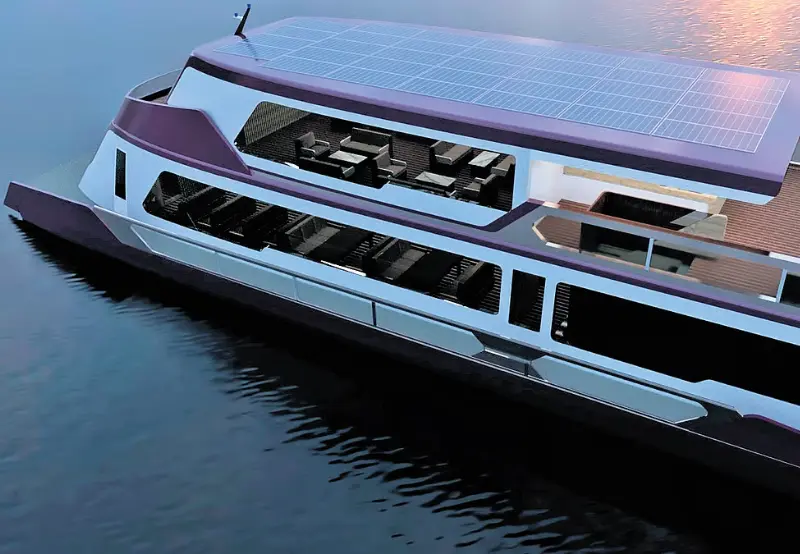
Alongside tug development, Kochi-based startup Navalt is building solar-powered roll-on/roll-off (Ro-Ro) vessels for Kerala State Water Transport Department (SWTD).
These vessels will:
- Run primarily on solar energy
- Reduce dependence on diesel fuel
- Lower operational costs and emissions
Navalt is recognised for developing India’s first solar-electric ferry, and its new projects further strengthen the country’s shift towards green inland water transport.
Transforming Kerala’s Water Transport
The solar Ro-Ro vessels are expected to enhance public transport efficiency in Kerala’s waterways, offering:
- Cleaner and quieter operations
- Reduced fuel expenses
- Improved passenger and vehicle transport
This aligns with Kerala’s vision of promoting sustainable mobility and eco-friendly infrastructure.
Growing Focus on Sustainable Shipping
Both developments highlight a broader trend in India’s maritime sector:
- Adoption of green technologies
- Increased focus on indigenous shipbuilding
- Integration of renewable energy in transport systems
With initiatives like GTTP and solar vessel deployment, India is moving towards a low-carbon maritime ecosystem.
Conclusion
The launch of a 70T bollard pull tug by UCSL and the development of solar-powered vessels by Navalt reflect a dual transformation in India’s maritime industry—combining advanced engineering with sustainability.
As the sector evolves, such initiatives are set to play a crucial role in building a cleaner, more efficient, and self-reliant maritime future.