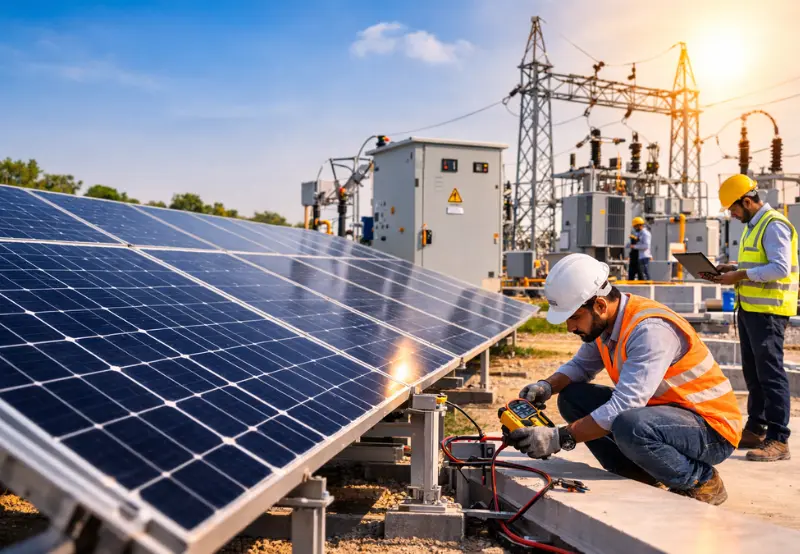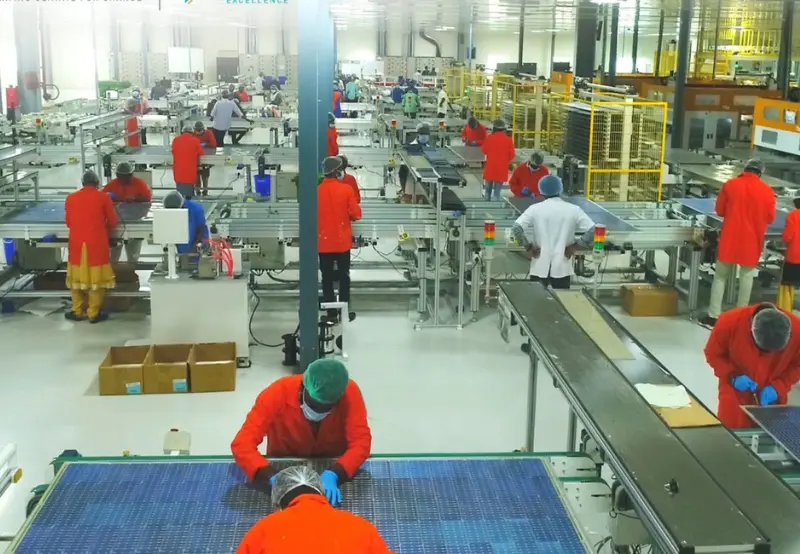

Vikram Solar secures 336 MW solar module order from L&T Construction for the Khavda Renewable Energy Park. Learn how this project drives India’s renewable growth and energy independence.
📖 Table of Contents
- Introduction
- Overview of Vikram Solar’s Role
- Khavda Renewable Energy Park: India’s Clean Energy Megaproject
- Why This 336 MW Solar Module Order is Significant
- L&T Construction’s Contribution
- India’s Renewable Energy Landscape
- Technology and Innovation in Vikram Solar Modules
- Economic and Environmental Impact
- Challenges and Future Opportunities
- Conclusion: India’s Solar Leadership
1. Introduction
Vikram Solar Secures 336 MW Solar Module Order for the Khavda Renewable Energy Park, a project that is set to transform India’s renewable energy landscape. This massive order, placed by Larsen & Toubro (L&T) Construction, demonstrates India’s ambition to scale clean power generation and strengthen energy independence.
Khavda, located in Gujarat’s Kutch district, is becoming the world’s largest renewable energy park, symbolising India’s vision to achieve 500 GW of renewable capacity by 2030. Vikram Solar’s role in supplying cutting-edge modules underscores the company’s reputation as one of the country’s leading solar technology firms.
2. Overview of Vikram Solar’s Role
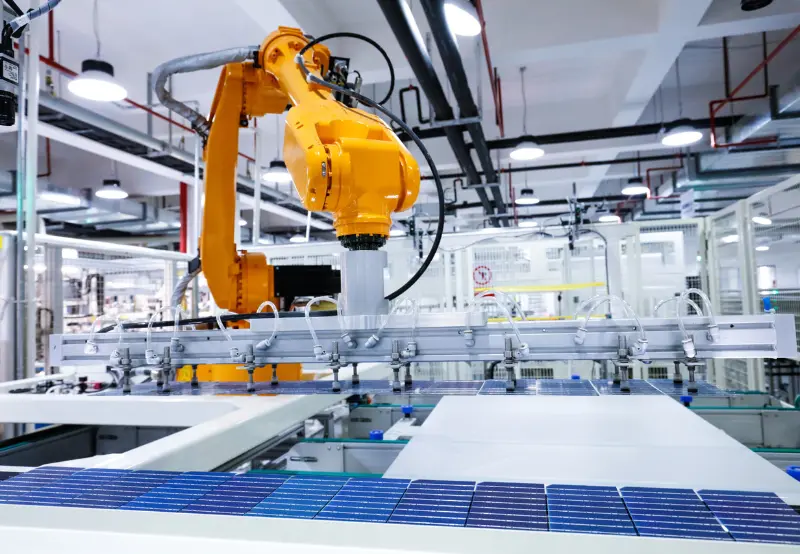
Founded in 2006, Vikram Solar is a homegrown solar energy company and a pioneer in manufacturing advanced photovoltaic (PV) modules. It has a manufacturing capacity of over 3.5 GW annually and has deployed projects across 32+ countries.
This 336 MW supply order adds to Vikram Solar’s impressive track record, reaffirming its ability to deliver large-scale projects on tight deadlines while maintaining high-quality and durable module solutions.
3. Khavda Renewable Energy Park: India’s Clean Energy Megaproject
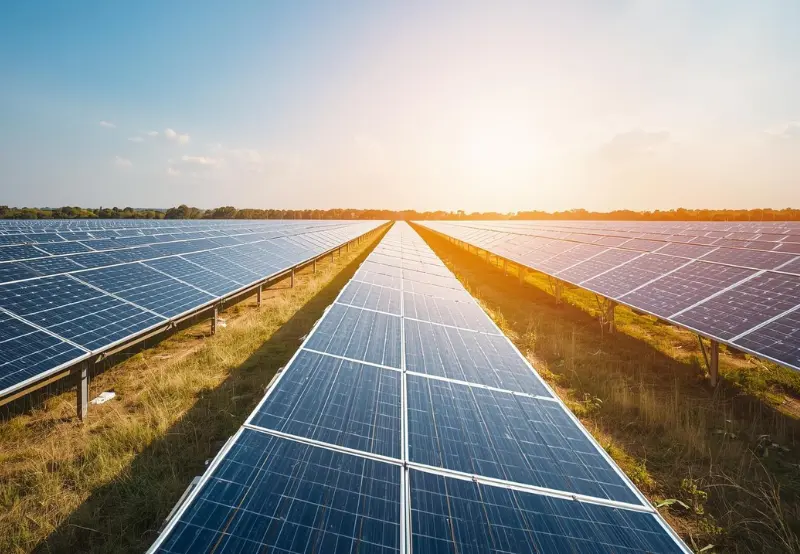
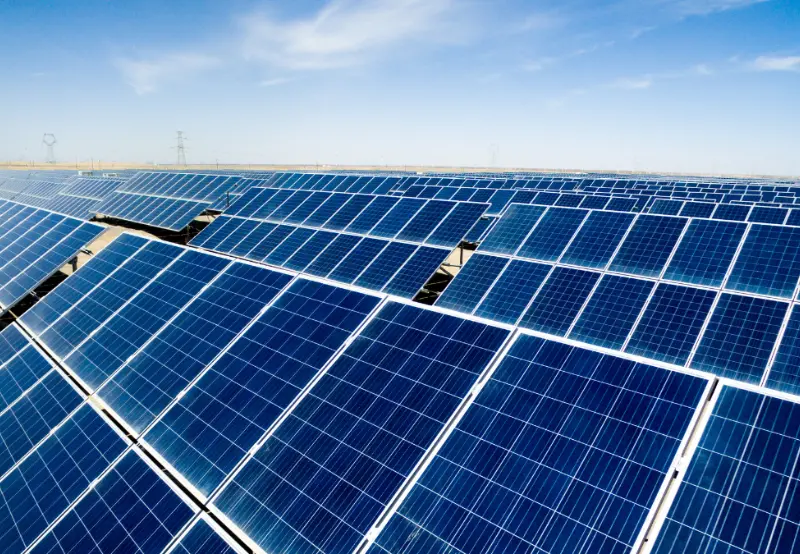
The Khavda Renewable Energy Park, spread over 72,600 hectares, is a monumental project spearheaded by state-run and private sector players. When fully operational, it will deliver 30 GW of renewable energy, making it the largest clean energy project in the world.
The park is designed to integrate solar, wind, and hybrid power plants, ensuring round-the-clock power generation. The project aligns with India’s net-zero targets for 2070 and sets a benchmark in renewable energy engineering.
4. Why This 336 MW Solar Module Order is Significant
This order is not just a supply agreement; it represents:
- Scaling of domestic manufacturing: Strengthening India’s “Make in India” initiative.
- Energy security boost: Reducing dependence on imported fossil fuels.
- Global leadership: Positioning India as a leader in clean energy deployment.
- Job creation: Thousands of jobs are being created in module manufacturing, logistics, and EPC (Engineering, Procurement, and Construction).
5. L&T Construction’s Contribution
L&T Construction, India’s engineering powerhouse, plays a crucial role in building the Khavda Renewable Energy Park. Known for its expertise in infrastructure megaprojects, L&T is:
- Leading the EPC contracts
- Ensuring world-class execution standards
- Using cutting-edge engineering solutions for energy evacuation and grid connectivity
This collaboration between L&T and Vikram Solar highlights synergy between engineering and manufacturing leaders in India’s energy transition.
🇮🇳 6. India’s Renewable Energy Landscape
India is the third-largest renewable energy producer globally, with over 130 GW of installed renewable capacity as of 2025. Solar energy accounts for nearly 70 GW, with significant contributions from large solar parks like Khavda, Pavagada, and Bhadla.
Government initiatives such as PLI (Production-Linked Incentive) schemes and solar park tenders are encouraging domestic manufacturing, reducing imports, and boosting investor confidence.
7. Technology and Innovation in Vikram Solar Modules
Vikram Solar’s modules are built with monocrystalline PERC technology, ensuring:
- High efficiency (>21%)
- Better low-light performance
- Enhanced durability against harsh weather
These innovations make Vikram Solar a preferred partner for large-scale projects, contributing to long-term reliability and energy output.
8. Economic and Environmental Impact
The Khavda project is expected to:
- Power over 18 million homes
- Reduce 50 million tonnes of CO₂ emissions annually
- Save billions of dollars in imported fuel costs
It also creates a thriving ecosystem for local manufacturing, logistics, and renewable innovation, strengthening India’s economic resilience.
9. Challenges and Future Opportunities
Despite progress, challenges remain:
- Land acquisition complexities in large projects
- Supply chain bottlenecks for solar components
- Grid integration issues in high renewable penetration regions
However, India’s proactive policies, domestic R&D investment, and hybrid projects (solar + wind + battery) are addressing these concerns.
10. Conclusion: India’s Solar Leadership
The news that Vikram Solar Secures 336 MW Solar Module Order for the Khavda Renewable Energy Park is a testament to India’s rise as a global clean energy leader. Through strategic partnerships between engineering giants like L&T and technology innovators like Vikram Solar, India is setting benchmarks in renewable deployment, energy independence, and sustainable growth.
This milestone is not just a boost for Vikram Solar but a symbol of India’s renewable energy ambitions—a cleaner, greener, and energy-secure future powered by innovation and collaboration.
🔗Read : GST Slashed to 5% on Solar Equipment in India: 7 Big Impacts on the Clean Energy Market