
World Energy Day 2026 offered a moment to reflect on the strides India has made in its clean energy journey, with solar power firmly at the centre of the country’s renewable momentum. Observers, industry leaders and energy experts used the occasion to underline not just capacity additions but the broader role of renewables in building a resilient and sustainable energy system for the future.
Solar Power as a Pillar of India’s Energy Transition
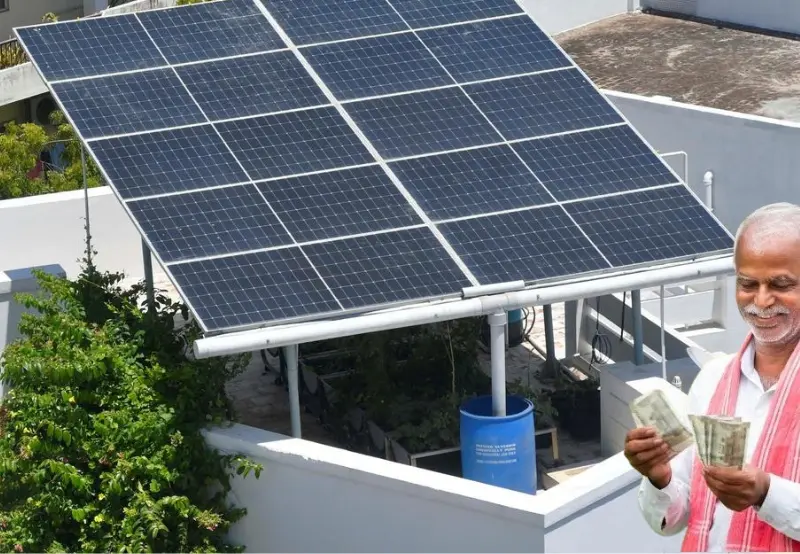
India’s renewable energy transition has accelerated rapidly in recent years, with solar power emerging as the most dynamic component of clean power growth. Recent government data shows that India has added record amounts of renewable capacity, with large-scale solar projects accounting for the majority of new installations. This rapid expansion reflects falling costs for solar technology and strong policy support that encourages both utility-scale deployment and decentralised systems such as rooftop solar.
Experts at World Energy Day emphasised the importance of not only adding capacity but ensuring that renewable generation is integrated into the grid in a reliable and sustainable way. With solar power playing a dominant role in national capacity additions, attention is now turning to energy storage, hybrid systems and grid flexibility to support long-term energy reliability.
Towards Resilient and Sustainable Power Systems
Industry leaders highlighted that the true measure of progress is the ability of renewable energy to deliver dependable power over decades — not just the headline figures for installed capacity. Key voices noted that energy storage solutions, hybrid renewables and robust system planning must be prioritised to strengthen grid stability and resilience as solar penetration increases.
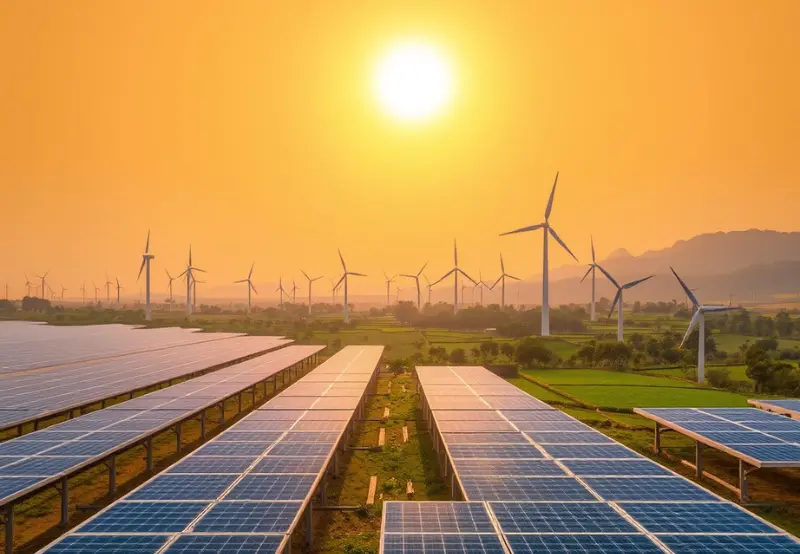
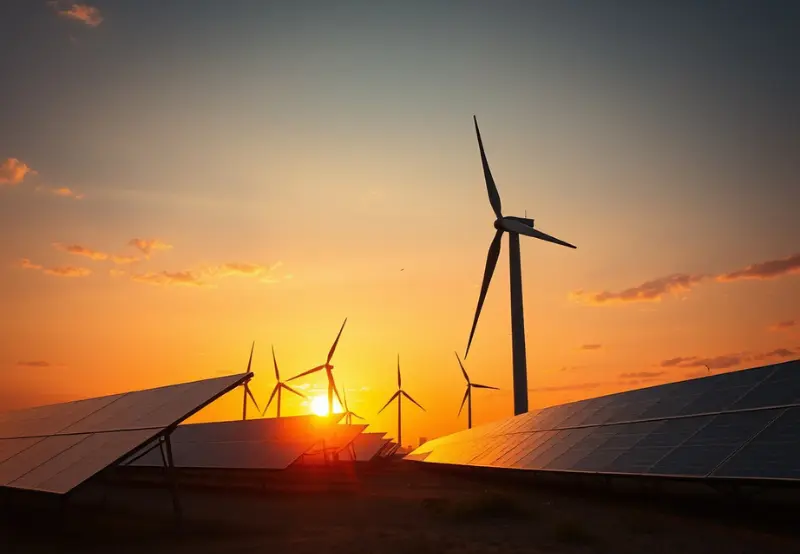
Such integration is crucial as India continues to scale up generation while managing peak demand and variability in renewable output. Solutions like battery energy storage systems and solar-wind hybrid installations can help balance supply and demand, reducing curtailment and improving energy quality.
Renewables and Economic Progress
Participants at World Energy Day also pointed to the broader economic and social benefits of India’s clean energy transformation. Solar and other renewables are contributing to job creation, investment opportunities and technological innovation across the energy sector. With ambitious targets in place for future capacity expansion, India is positioning itself not only to meet domestic energy needs but also to become a major player in global clean energy markets.
A Collective Push for a Clean Energy Future
World Energy Day 2026 underscored the idea that progress in the energy transition requires collaboration across sectors — government, industry, research institutions and civil society. India’s renewable achievements to date are a testament to policy coherence, investment in technology and sustained public and private engagement.
As solar continues to lead the nation’s renewable trajectory, India is moving towards a cleaner, more secure and resilient energy future — one where sustainable power plays a central role in economic growth and environmental stewardship.