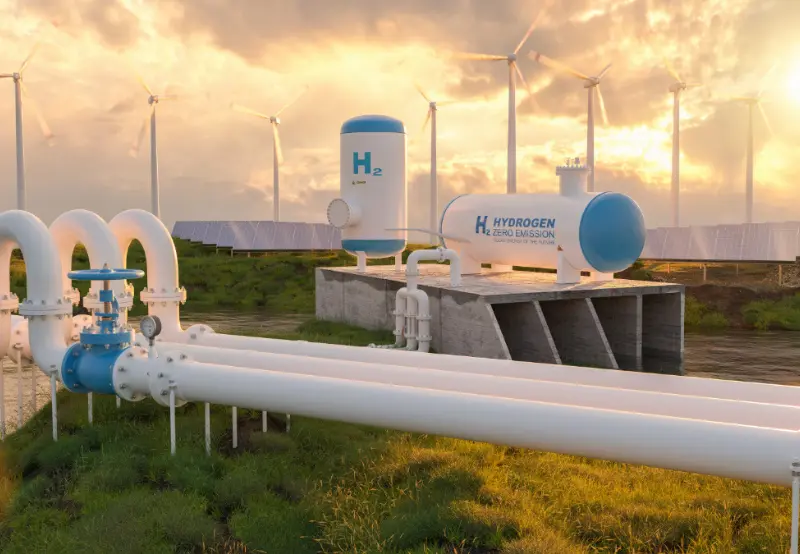

Explore the latest NISE Green Hydrogen O&M Tender and how this Gurugram-based project reflects India’s rising commitment to clean hydrogen innovation and solar-powered electrolyser efficiency.
Table of Contents
- Introduction: The Green Hydrogen Imperative
- Overview of the NISE Facility in Gurugram
- Understanding the O&M EoI Announcement
- Why This Tender Matters for India’s Hydrogen Goals
- Technical Specifications: Solar-Hydrogen Synergy
- India’s Green Hydrogen Roadmap
- Global Trends and Context
- Conclusion
Introduction: The Green Hydrogen Imperative
India’s commitment to clean energy is rapidly evolving—and hydrogen is becoming the centrepiece. The recently announced NISE Green Hydrogen O&M Tender signals a major step forward in not just deploying green hydrogen but building an ecosystem to maintain, optimise, and scale such operations.
This expression of interest (EoI) marks India’s serious move to operationalise research-based pilot projects with an eye on long-term viability.
Overview of the NISE Facility in Gurugram {#overview}
The National Institute of Solar Energy (NISE), under the Ministry of New and Renewable Energy (MNRE), has developed a cutting-edge green hydrogen facility at its Gurugram campus. This hybrid system integrates:
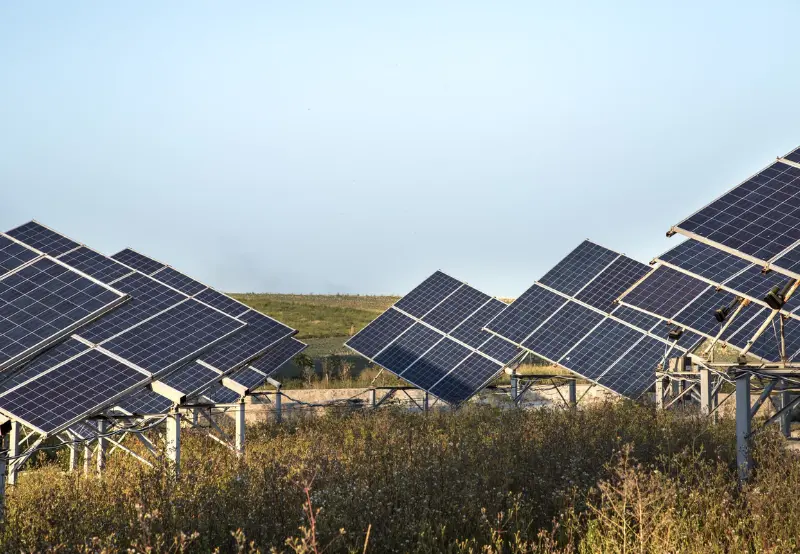
- A 120 kWp rooftop solar power plant
- A 1.35 kg/hr electrolyser
- A 60 kg hydrogen storage system pressurised to 495 bar
It is designed to support both research and pre-commercial applications, positioning India to test and scale green hydrogen solutions effectively.
Understanding the O&M EoI Announcement
NISE issued an Expression of Interest (EoI) seeking input from qualified developers to help define the scope for Operations and Maintenance (O&M) at its hydrogen facility.
Deadline: 9 July 2025
Objective: Frame future tenders for end-to-end operation, from solar power management to hydrogen production, compression, and storage.
The O&M contractor would eventually take over regular monitoring, performance reporting, troubleshooting, and safety checks.
Why This Tender Matters for India’s Hydrogen Goals
This move is more than a facility-level action. It aligns directly with India’s broader ambitions laid out in:
- The National Green Hydrogen Mission
- India’s target to produce 5 million metric tonnes of green hydrogen annually by 2030
- Decarbonisation of hard-to-abate sectors like fertilisers, refining, and steel
By outsourcing operations to skilled players, NISE is ensuring the sustainability, efficiency, and scalability of hydrogen projects in India.
Technical Specifications: Solar-Hydrogen Synergy
Here’s what makes this system notable:
| Component | Specification |
| Solar Power Plant | 120 kWp Rooftop Solar (Grid-tied) |
| Electrolyser | PEM Electrolyser, 1.35 kg H₂/hr |
| Storage System | 60 kg Hydrogen @ 495 bar (high-pressure) |
| Application Scope | Research, Demonstration, Training |
⚡ Powered entirely by solar energy, the electrolyser splits water into hydrogen and oxygen, creating truly green hydrogen without fossil inputs
India’s Green Hydrogen Roadmap
India has already launched its first green hydrogen policy, incentivising:
- Open access to renewable energy
- Waivers on transmission charges
- Single-window clearance systems
- Financial incentives for electrolyser manufacturing
According to the Ministry of Power, India is also piloting industrial-scale projects across refineries and fertiliser units.
Budget outlay: ₹19,744 crore under the National Green Hydrogen Mission.
Global Trends and Context
India’s move with the NISE Green Hydrogen O&M Tender mirrors global hydrogen leadership from countries like:
- Germany: €9 billion hydrogen strategy
- Japan: World’s first hydrogen-powered city (Fukushima Hydrogen Energy Research Field)
- Australia: Asia-Pacific Hydrogen Hub initiatives
In this context, India is not just catching up—it’s innovating independently by blending decentralised solar infrastructure with hydrogen tech.
Leading by Example
The NISE Green Hydrogen O&M Tender isn’t just a procurement document—it’s a sign that India is institutionalising clean hydrogen. With robust infrastructure, strong policy backing, and increasing public-private collaboration, India is paving a low-emissions future powered by green hydrogen.
As solar and hydrogen become more interlinked, facilities like this will not just power systems—they will power change.