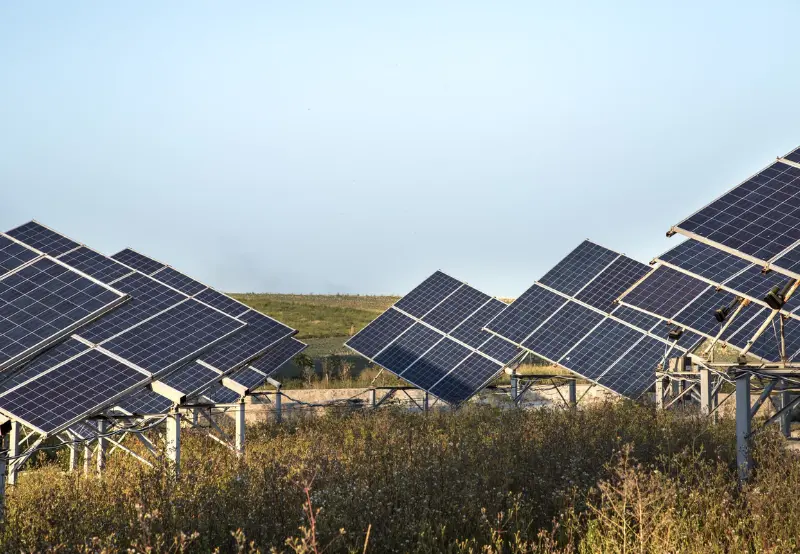

Explore Australia’s first utility-scale DC-coupled solar-storage project. Discover how Ingeteam’s innovation with DC-DC converters and PV inverters is revolutionising solar energy.
Table of Contents
- A Game-Changer in Solar Energy
- 1. What Is DC-Coupled Solar-Storage?
- 2. Ingeteam’s Role in the Project
- 3. Why DC Coupling Is More Efficient
- 4. Scaling Up: A Model for the Future
- 5. Implications for the Global Clean Energy Market
- Conclusion
A Game-Changer in Solar Energy
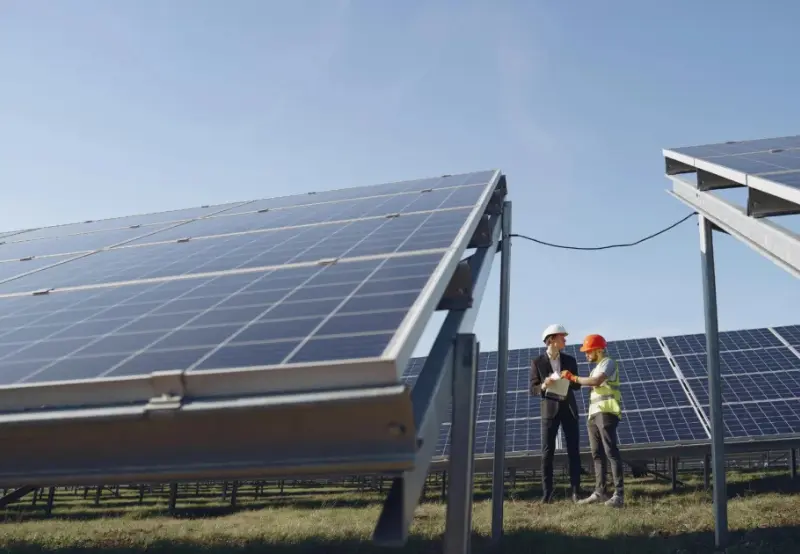
Australia is no stranger to solar power. But the Australia DC-Coupled Solar-Storage Project marks a significant technological evolution. With Ingeteam supplying 32 power stations equipped with state-of-the-art PV inverters and 430 kW DC‑DC storage converters, this is the country’s first utility-scale project using DC coupling—a smarter, leaner way to harness and store solar energy.
1. What Is DC-Coupled Solar-Storage?
DC-coupled systems connect solar panels and batteries via direct current (DC), bypassing the inefficiencies of AC conversions. This results in:
- Less energy loss
- Simpler architecture
- Lower costs
The traditional method—AC-coupling—involves multiple conversion steps (DC to AC and back to DC), which introduces losses and adds complexity.
The Australia DC-Coupled Solar-Storage Project eliminates that, creating a seamless storage cycle that captures excess solar energy directly and stores it efficiently.
2. Ingeteam’s Role in the Project
Spanish-based engineering firm Ingeteam is a global leader in power electronics, and this project marks a significant milestone in its presence in the Australian renewables market. They are delivering:
- 32 utility-scale power stations
- Each integrated with PV inverters
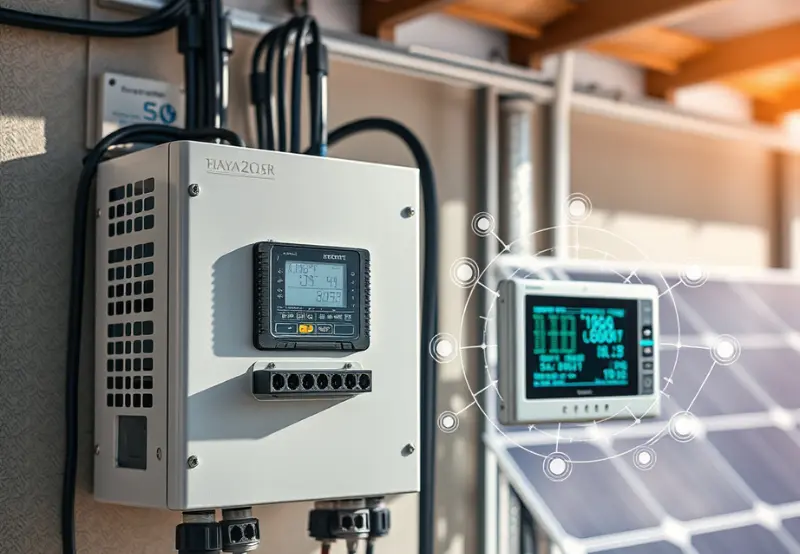
- And 430 kW DC-DC converters for storage control
This setup ensures optimised energy flow, real-time monitoring, and high-efficiency performance.
Interesting Fact: Ingeteam has already deployed similar technologies in Chile and Spain, but this is a first in Australia—making it a technology transfer success story.
3. Why DC Coupling Is More Efficient
The Australia DC-Coupled Solar-Storage Project has global significance due to the efficiency benefits of DC architecture:
- Fewer conversion stages
- Lower thermal losses
- Higher round-trip energy efficiency
- Optimised battery usage
A report by Wood Mackenzie suggests that DC-coupled solar systems can achieve up to 5–10% higher energy yields compared to their AC counterparts. With Australia’s scorching sun and grid congestion issues, every bit of stored energy counts.
4. Scaling Up: A Model for the Future
Australia’s commitment to net zero by 2050 demands large-scale innovation. This project sets the stage for:
- Flexible utility-scale deployment
- Rural energy independence
- Smart grid integration
With power electronics tailored for solar + storage synchronisation, this project serves as a blueprint for future clean energy infrastructure—not just for Australia, but globally.
The design could be easily replicated in:
- Remote mining operations
- Isolated communities
- Commercial microgrids
5. Implications for the Global Clean Energy Market {#global}
The impact of the Australia DC-Coupled Solar-Storage Project goes beyond borders:
- Emerging economies can adopt DC-coupled setups at lower cost
- Grid stability improves through better load balancing
- Battery integration becomes smarter, reducing over-sizing
- Carbon footprint is reduced through higher system efficiency
Countries like India, Chile, and South Africa are already evaluating similar models, especially in areas where transmission is limited but solar potential is high.
The Australia DC-Coupled Solar-Storage Project is more than a national achievement—it’s a global model of how we can maximise solar energy while reducing energy waste. By embracing DC coupling, the country has set a new benchmark in solar storage integration.
As battery prices fall and solar adoption rises, expect more nations to follow in Australia’s footsteps, making DC-coupled solar systems a mainstream clean energy solution.