Discover how AMPIN Energy is reshaping Kerala’s renewable sector with a 10 GW operating goal and 25 GW pipeline by 2030, backed by fresh funding.
Table of Contents
- Who is AMPIN Energy?
- AMPIN Energy Kerala: The Current Footprint
- Roadmap to 10 GW Operational Capacity
- The 25 GW Project Pipeline by 2030
- What’s Powering the Growth? Recent Funding Explained
- Why Kerala? Strategic Energy Landscape
- AMPIN’s Role in India’s Renewable Goals
- Technology and Sustainability in AMPIN Projects
- Challenges and Mitigation Strategies
- AMPIN Energy Kerala’s Role in a Greener Tomorrow
AMPIN Energy Kerala expansion represents one of India’s most significant regional pushes in renewable energy. With nearly 7.9 GW of capacity already in play, AMPIN is not only reaffirming its commitment to a greener Kerala but setting bold targets: 10 GW of operational capacity and a 25 GW project pipeline by 2030.
This vision is backed by strategic investments and a clear focus on decentralised, sustainable energy for southern India’s evolving grid demands.
1. Who is AMPIN Energy?
AMPIN Energy Transition (formerly AMP Energy India) is one of India’s fastest-growing renewable IPPs (Independent Power Producers), specialising in solar, wind, hybrid, and energy storage solutions. With over 2 GW of assets already operational nationwide and strong global partnerships, the company is targeting energy independence for C&I clients and DISCOMs through scalable, clean solutions.
2. AMPIN Energy Kerala: The Current Footprint
Kerala, despite its limited land availability and weather variabilities, has emerged as a strategic hotspot for AMPIN Energy.
Present Highlights:
- Operates ~7.9 GW across various phases
- Mixture of utility-scale solar, floating solar, and rooftop installations
- Partners with government utilities and private industries
- Contributes to grid stability during high-demand periods
These achievements position Kerala as AMPIN’s flagship zone for southern expansion.
3. Roadmap to 10 GW Operational Capacity
AMPIN’s near-term goal is to touch 10 GW of live operational capacity by 2030. This growth will come from:
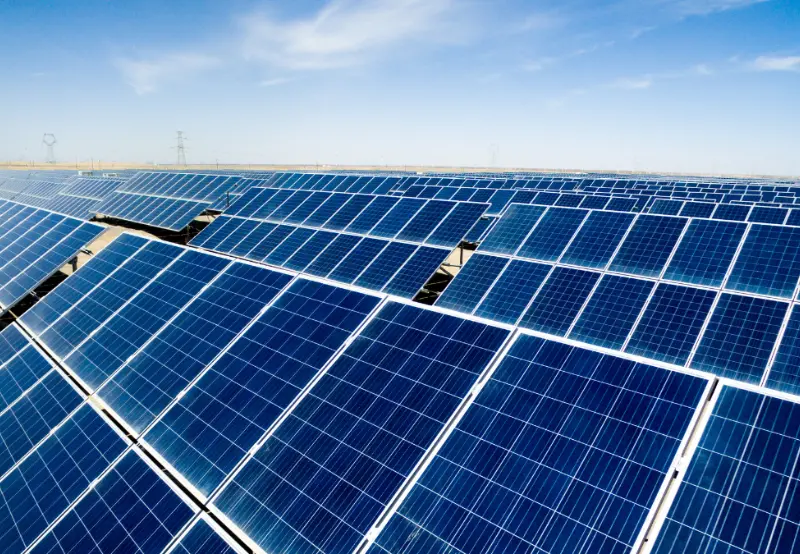
- Solar parks in Palakkad, Kasaragod, and Idukki
- Floating solar plants on reservoirs and dam sites
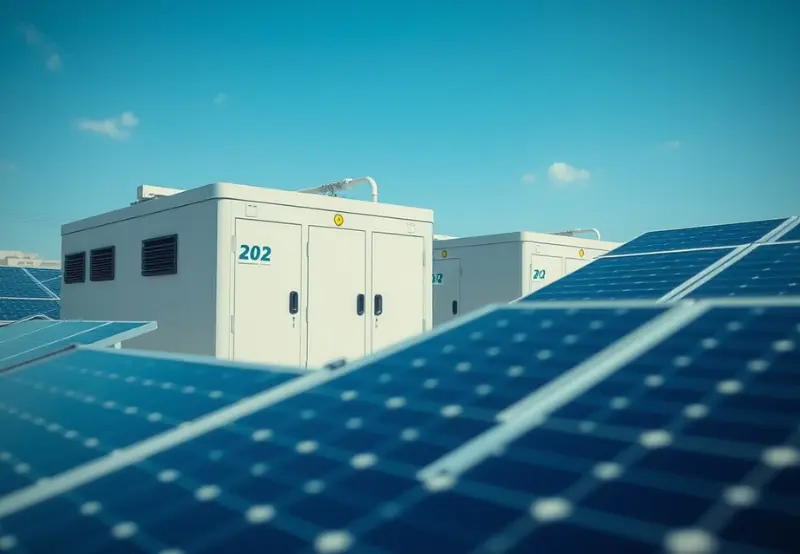
- Expansion of battery energy storage systems (BESS)
- Rooftop installations for public infrastructure and hospitals
The 10 GW goal also includes hybrid installations combining solar and wind in microgrids—a pioneering model in coastal and hilly areas.
4. The 25 GW Project Pipeline by 2030
Beyond operational capacity, AMPIN is planning a robust 25 GW project pipeline—including:
- 12 GW of solar
- 7 GW of wind and wind-solar hybrid
- 3 GW of battery storage
- 3 GW of green hydrogen-ready systems
With many of these projects set for Kerala and Tamil Nadu, the pipeline addresses both regional reliability and national climate commitments.
5. What’s Powering the Growth? Recent Funding Explained
AMPIN Energy’s ambitions are fuelled by strong financial backing:
- Received $250 million in equity funding from international investors including AIIB and SMBC
- Secured project-level debt funding from SBI and Power Finance Corporation
- Signed green bond agreements to raise an additional $300 million for 2025–2028 deployments
This influx ensures timely execution and expansion into high-demand clusters.
6. Why Kerala? Strategic Energy Landscape
Kerala, though historically import-dependent, is now investing heavily in clean energy:
- Targets 3,000 MW renewable capacity by 2030
- Favourable net metering and open access policies
- Abundance of hydropower reservoirs ideal for floating solar
- High C&I electricity tariffs, making solar an economical alternative
AMPIN’s Kerala strategy aligns perfectly with this policy and market landscape.
7. AMPIN’s Role in India’s Renewable Goals
AMPIN’s Kerala play is a microcosm of its national mission:
- Contribute to India’s 500 GW non-fossil target by 2030
- Support 24/7 carbon-free electricity in grid-challenged regions
- Lead the private sector utility-scale market for solar + BESS
Their decentralised project development model is especially relevant in India’s post-pandemic energy transition.
8. Technology and Sustainability in AMPIN Projects
AMPIN employs next-gen tools and green strategies:
- AI-based monitoring systems for predictive maintenance
- Bifacial panels for improved solar yield
- Water-efficient cleaning in arid zones
- Recycled steel and low-carbon construction materials
The firm follows IFC ESG guidelines and conducts social impact assessments before commissioning each project.
9. Challenges and Mitigation Strategies
AMPIN’s expansion isn’t without hurdles:
- Land acquisition in densely populated Kerala
- Monsoonal disruptions affecting solar output
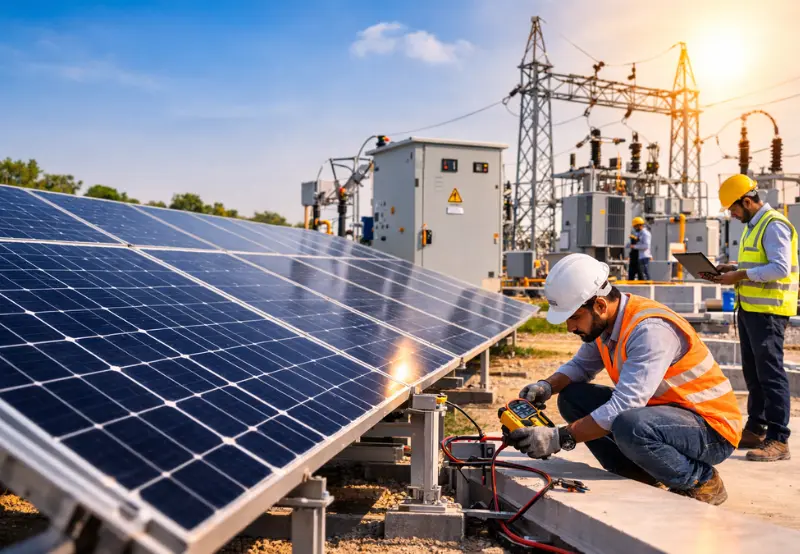
- Transmission bottlenecks at substations
- Skilled labour shortages for solar + storage integration
Mitigation includes:
- Partnering with Kerala State Electricity Board (KSEB)
- Remote monitoring to pre-empt weather disruptions
- Training locals through skill development initiatives
10. AMPIN Energy Kerala’s Role in a Greener Tomorrow
The story of AMPIN Energy Kerala is one of strategy, ambition, and sustainability. With 7.9 GW already running, a 10 GW near-term target, and 25 GW in the pipeline, AMPIN is scripting a clean energy revolution in one of India’s most grid-challenged yet opportunity-rich regions.
Their roadmap not only supports Kerala’s energy goals but cements AMPIN’s status as a leader in India’s renewable future.