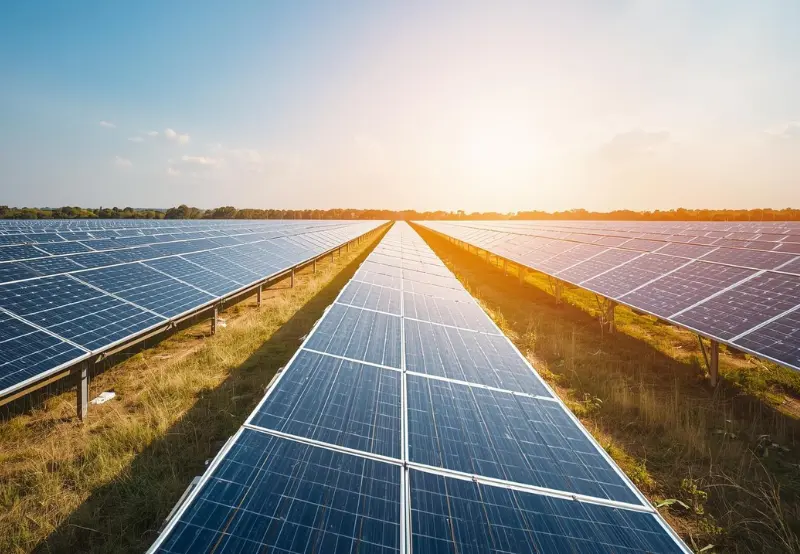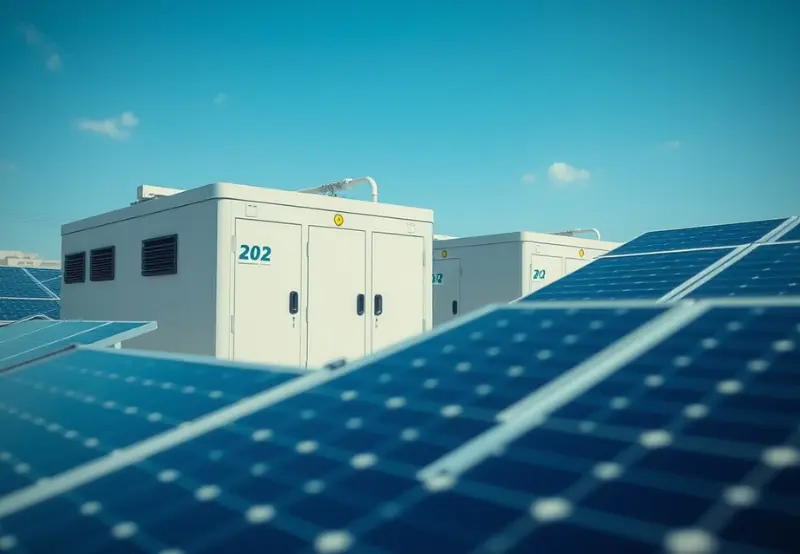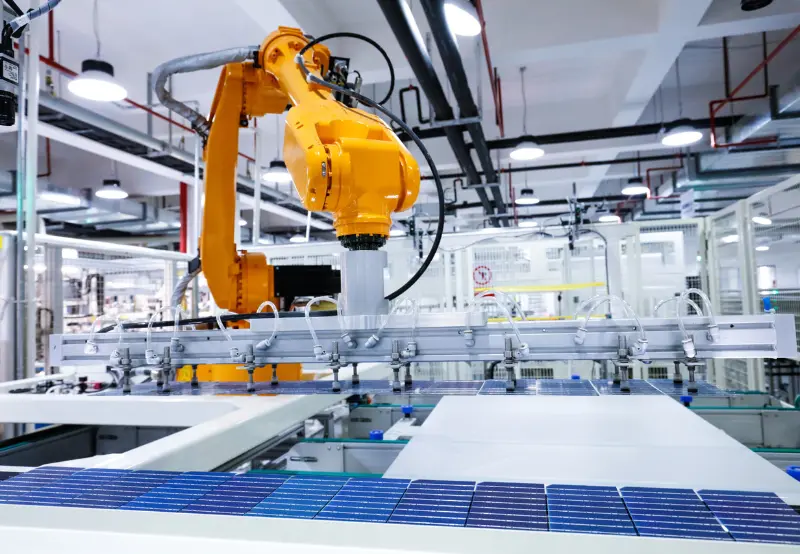

Piyush Goyal calls for India Energy Storage Import Reduction by promoting domestic manufacturing and R&D to secure energy autonomy and economic resilience.
Table of Contents:
- Introduction: The Urgency of Energy Self-Reliance
- 1. Overdependence on Imports: A National Challenge
- 2. The Economic Cost of Import Reliance
- 3. R&D is the Key to Technological Independence
- 4. India’s Strategic Policy Push
- 5. The Role of Indian Start-ups & Private Players
- 6. Battery Storage: The Backbone of Green Energy
- 7. A Roadmap to Local Manufacturing
- Conclusion: From Importer to Innovator
Introduction: The Urgency of Energy Self-Reliance
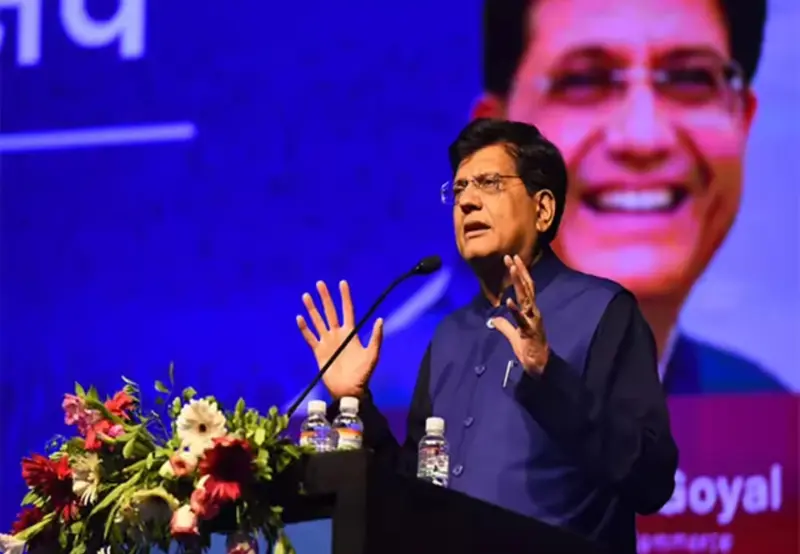
India Energy Storage Import Reduction has become a focal point of the government’s push toward energy independence. Speaking at a recent industry gathering, Commerce and Industry Minister Piyush Goyal urged Indian manufacturers to cut their dependency on imported energy storage technologies and instead invest in homegrown R&D and production capabilities.
His message comes at a critical time when energy storage is central to India’s clean energy transformation.
1. Overdependence on Imports: A National Challenge
Currently, India relies heavily on imported lithium-ion batteries and storage components from countries like China, South Korea, and Japan. This dependency not only raises strategic concerns but also exposes India’s energy sector to supply chain risks and volatile global prices.
According to The Economic Times, over 75% of battery components used in Indian EVs and storage systems are imported.
2. The Economic Cost of Import Reliance
Energy storage is projected to be a $50 billion industry in India by 2030. Without strong local production, a significant portion of this value would flow abroad. In FY 2024 alone, India imported over ₹18,000 crore worth of battery components, affecting the balance of trade.
Moreover, reliance on imports increases project costs, delays infrastructure timelines, and weakens India’s control over a critical energy asset.
3. R&D is the Key to Technological Independence
Minister Goyal highlighted the urgent need for advanced research and development in battery chemistry, manufacturing innovation, and recycling technology. India must invest in:
- Solid-state battery research
- Lithium alternatives like sodium-ion
- Energy-dense, long-cycle storage
Institutions like IIT Madras and ISRO are already pioneering R&D in these areas. However, broader collaboration between government, academia, and the private sector is essential.
4. India’s Strategic Policy Push
India’s PLI Scheme (Production Linked Incentive) for ACC (Advanced Chemistry Cells) offers ₹18,100 crore for local battery manufacturing. Combined with FAME-II and renewable energy tenders, this creates a strong policy foundation to boost India energy storage import reduction.
Upcoming policies will:
- Encourage raw material sourcing from domestic mines
- Offer subsidies to battery manufacturers
- Set up battery parks and giga-factories
5. The Role of Indian Start-ups & Private Players
Startups like Log9 Materials, Exide Energy, and Ola Electric are leading innovation in indigenous battery solutions. These firms are:
- Building India’s first lithium cell plants
- Exploring aluminium-air and zinc-based storage
- Investing in sustainable recycling infrastructure
Their growth reflects India’s capability to develop a complete battery ecosystem locally.
6. Battery Storage: The Backbone of Green Energy
Energy storage is essential for India to reach 500 GW of non-fossil capacity by 2030. As solar and wind are intermittent, battery storage ensures 24/7 energy availability, grid stability, and peak load balancing.
Without local battery capacity, India risks stalling its renewable progress and remains vulnerable to global disruptions like those seen during the pandemic or geopolitical conflicts.
7. A Roadmap to Local Manufacturing
To achieve meaningful India energy storage import reduction, a multipronged strategy is needed:
Infrastructure:
- Set up 10+ giga-factories by 2030
- Create special manufacturing zones
Talent Development:
- Train engineers in battery chemistry and storage engineering
- Boost university–industry collaboration
Sustainability:
- Focus on closed-loop recycling systems
- Prioritise eco-friendly material alternatives
International Collaboration:
- Partner with tech leaders in Japan, the EU, and the US for knowledge transfer
Conclusion: From Importer to Innovator
India’s dream of energy autonomy depends on reducing energy storage imports and building a strong domestic base. As Goyal rightly pointed out, self-reliance in battery technology will not only protect national interest but also unlock economic growth, innovation, and climate leadership. With strong government support, thriving start-ups, and a sense of urgency, India stands at the brink of a powerful clean energy transformation—from importer to innovator.