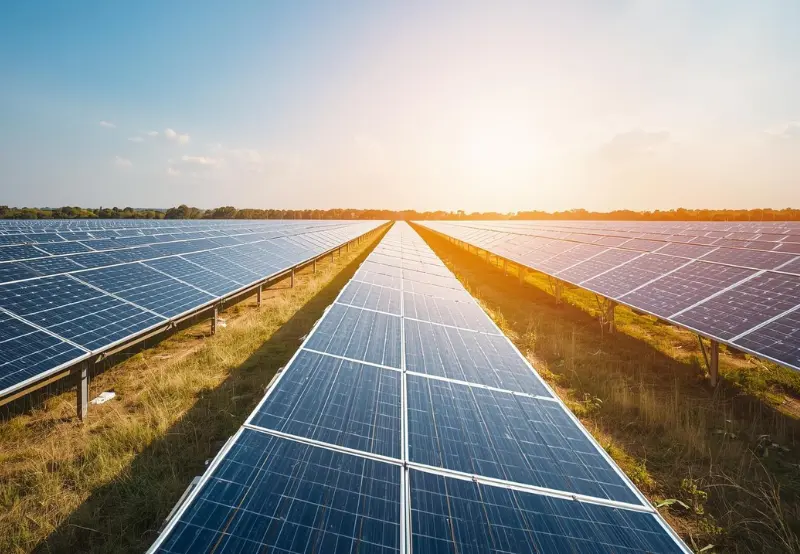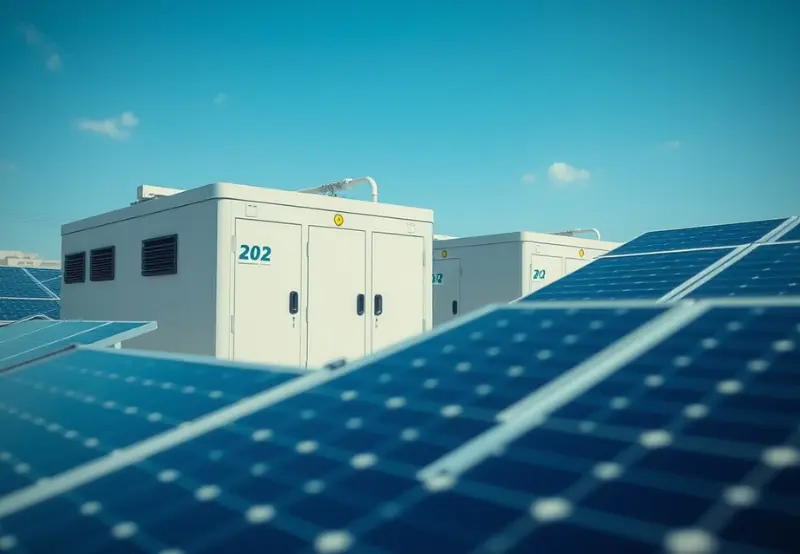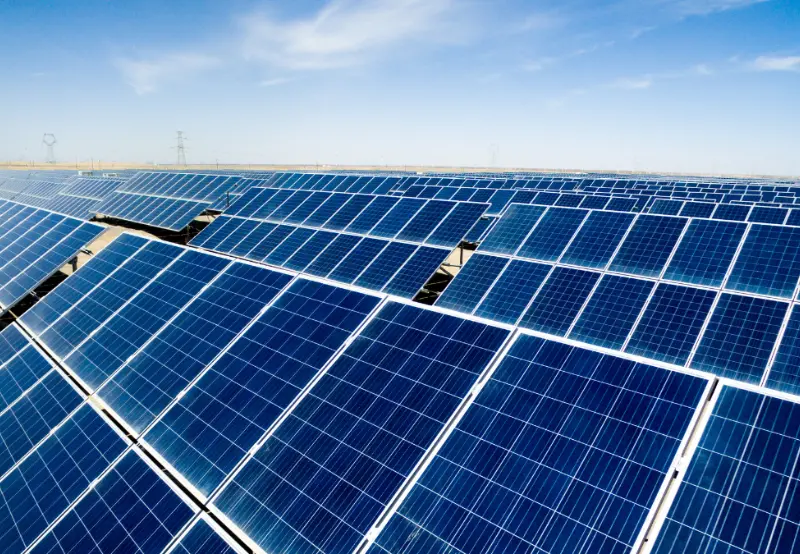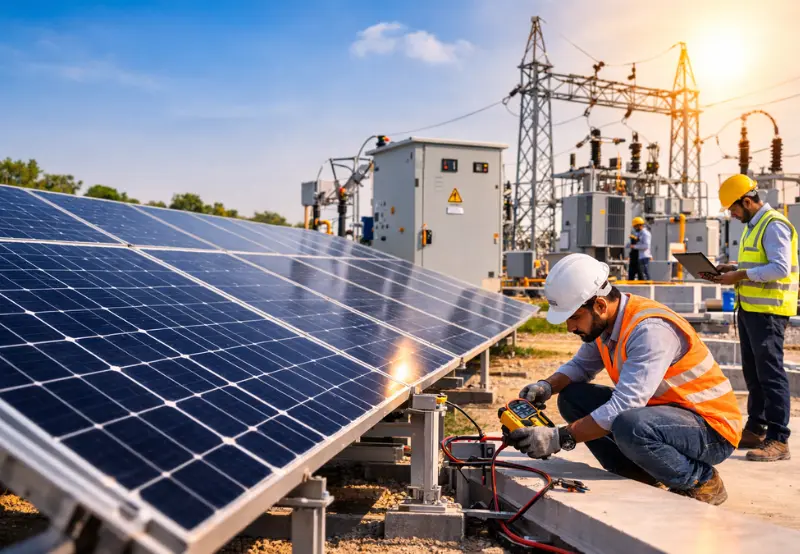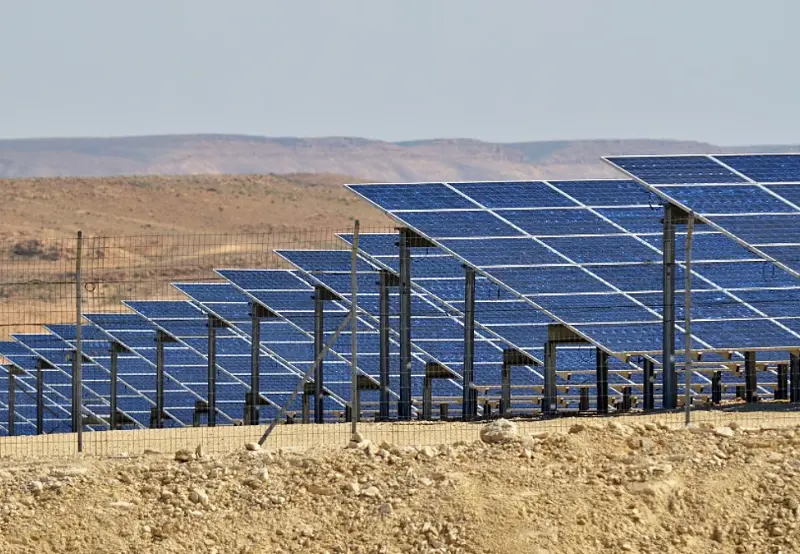

Explore SECI’s 1.2 GW solar + 600 MW/3.6 GWh storage tender and its role in shaping India’s 24/7 clean energy future. Know how it strengthens grid reliability and energy independence.
📌 Table of Contents
- Why This Tender Matters
- 1. Overview of the SECI Solar Storage Tender 2025
- 2. What Is 3.6 GWh of Battery Storage Capable Of?
- 3. Hybrid Power: A Critical Step Toward 24/7 Green Energy
- 4. Bidding Timeline and Participation Details
- 5. Strategic Goals Behind the SECI Initiative
- 6. Impacts on Grid Stability and Clean Energy Transition
- 7. The Road Ahead for Solar + Storage in India
Why This Tender Matters
The SECI Solar Storage Tender issued in June 2025 by the Solar Energy Corporation of India (SECI) represents more than just a routine procurement. It marks a strategic shift towards dispatchable, round-the-clock renewable power by inviting bids for 1.2 GW of solar capacity integrated with 600 MW / 3.6 GWh of battery energy storage systems (BESS).
As India eyes 500 GW of renewable energy capacity by 2030, this tender could shape the future of hybrid energy projects, decentralised power access, and grid stability.
1. Overview of the SECI Solar Storage Tender 2025
Announced in June 2025, this landmark SECI tender aims to create one of India’s most ambitious solar-plus-storage projects. Developers are invited to bid for:
- 1,200 MW of solar photovoltaic (PV) generation
- Coupled with 600 MW/3.6 GWh of lithium-ion or advanced battery systems
This is not SECI’s first foray into hybrid tenders, but it is among the largest to date in terms of energy storage capacity. The deadline for bid submission is 20 August 2025.
2. What Is 3.6 GWh of Battery Storage Capable Of?
To grasp the importance of 3.6 GWh, consider this:
- It can supply 600 MW of electricity for 6 full hours
- That’s enough to power nearly 500,000 households during evening peaks or cloudy days
- Helps reduce dependence on coal-based peaking plants
Such large-scale storage enhances India’s capacity to rely on solar even after sunset, and smoothens renewable power supply fluctuations, creating a stable energy mix.
3. Hybrid Power: A Critical Step Toward 24/7 Green Energy
Traditional solar projects face a key limitation—intermittency. By adding storage, the SECI Solar Storage Tender ensures:
- Time-shifting of power: solar energy captured by day can be used during night
- Grid balancing: batteries can charge during overproduction and discharge when demand surges
- Energy independence: India reduces fossil-fuel reliance and import bills
This is a game-changing step toward 24/7 clean power supply across residential, industrial, and rural sectors.
4. Bidding Timeline and Participation Details
Here’s what developers and investors should note:
- Tender release: June 2025
- Submission deadline: 20 August 2025
- Bid structure: Single-stage, two-envelope (technical + financial)
- Minimum Bid Capacity: Likely to be 100 MW, ensuring scale
- Project commissioning timeline: 24–30 months from award
The levelised cost of energy (LCOE) from such hybrid projects is expected to be competitive with coal, thanks to falling battery prices and government incentives.
5. Strategic Goals Behind the SECI Initiative
The SECI Solar Storage Tender 2025 isn’t just about numbers—it’s about nation-building through clean energy. It aligns with several national and global targets:
- India’s 500 GW renewable goal by 2030
- International Solar Alliance (ISA) vision of solar as a global energy source
- National Green Hydrogen Mission, which relies on green electricity
Additionally, these hybrid projects can help meet peak demand, especially during heatwaves, which are becoming increasingly common due to climate change.
6. Impacts on Grid Stability and Clean Energy Transition
India’s power grid often struggles with:
- Voltage instability
- Load shedding in rural areas
- Inconsistent renewable injection
The SECI tender helps fix these by:
- Enabling dispatchable renewable energy
- Supporting frequency control
- Reducing spinning reserve requirements
Most importantly, energy storage systems can act as virtual power plants, providing flexible backup without fossil fuels.
7. The Road Ahead for Solar + Storage in India
India is on the verge of a renewable revolution, and tenders like this are paving the way.
Recent industry estimates suggest:
- India could install 50 GW of energy storage by 2030
- Battery prices may fall below $50/kWh by 2027, accelerating adoption
- State Discoms (Distribution Companies) are also issuing storage-linked tenders
With supportive policies, foreign investments, and public-private partnerships, solar + storage will soon become the new norm—not the exception.
The SECI Solar Storage Tender 2025 is a defining moment in India’s clean energy narrative. By integrating massive solar capacity with cutting-edge battery systems, it provides a blueprint for the future of power—sustainable, scalable, and smart.
This is more than a tender—it’s India’s declaration that clean energy isn’t just for daylight hours anymore. It’s round-the-clock, resilient, and ready.