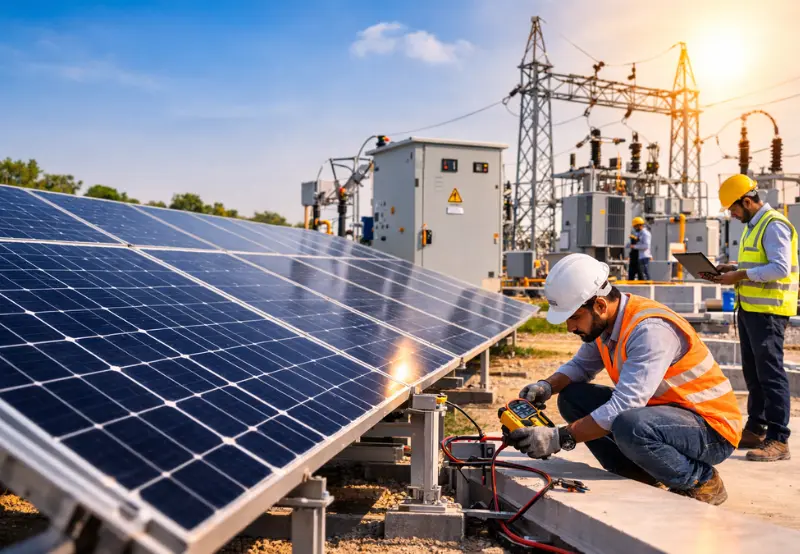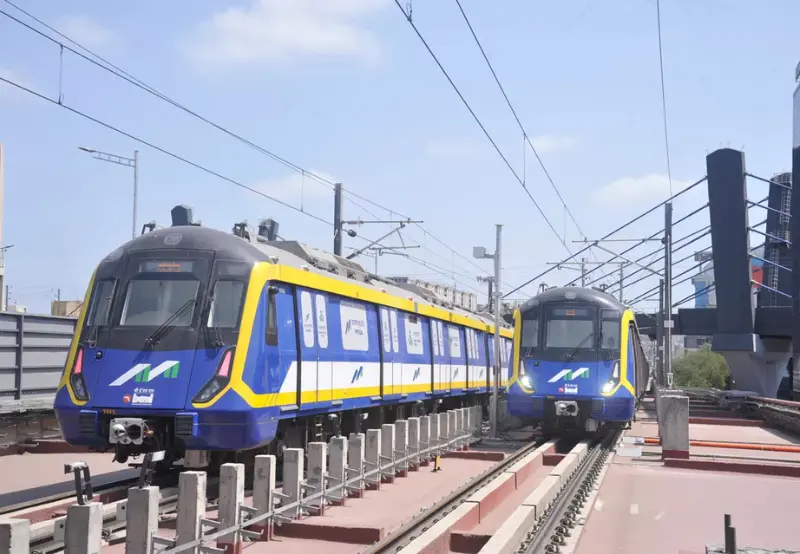

Discover how the Maharashtra Metro Solar Project is set to save ₹45 lakh/month by reviving net metering for depots, boosting green energy across Nagpur’s metro network.
Table of Contents
- Maharashtra Metro Solar Project Reignited
- 1. Net Metering Policy Back on Track
- 2. 1.5 MW of Stalled Solar Capacity Re-activated
- 3. Monthly Savings of ₹45 Lakh in Power Bills
- 4. Urban Transport Goes Green
- 5. Future Expansion Across Metro Stations
- Why This Policy Change Matters
Maharashtra Metro Solar Project Reignited
The Maharashtra Metro Solar Project is making headlines once again. With the Maharashtra Electricity Regulatory Commission (MERC) giving the green light to net metering for solar systems up to 5 MW at metro depots, the stalled 1.5 MW solar plants at Nagpur Metro’s Mihan and Hingna depots are finally back on track.
This regulatory shift, which had been delayed for over a year, has far-reaching implications—not just for energy savings but for how Indian cities transition towards sustainable, clean transportation.
1. Net Metering Policy Back on Track
The turning point came when MERC instructed the Maharashtra State Electricity Distribution Company Limited (MSEDCL) to resume net metering, a crucial policy that allows excess solar power generated to be fed back into the grid, offsetting electricity bills.
Previously, this scheme had been stalled for metro systems exceeding 1 MW. This bureaucratic bottleneck halted installations like the Nagpur Metro depots, which were ready but couldn’t operate without grid synchronisation.
Now, with this cap lifted to 5 MW for metro depots, projects across the state can resume, driving real impact.
2. 1.5 MW of Stalled Solar Capacity Re-activated
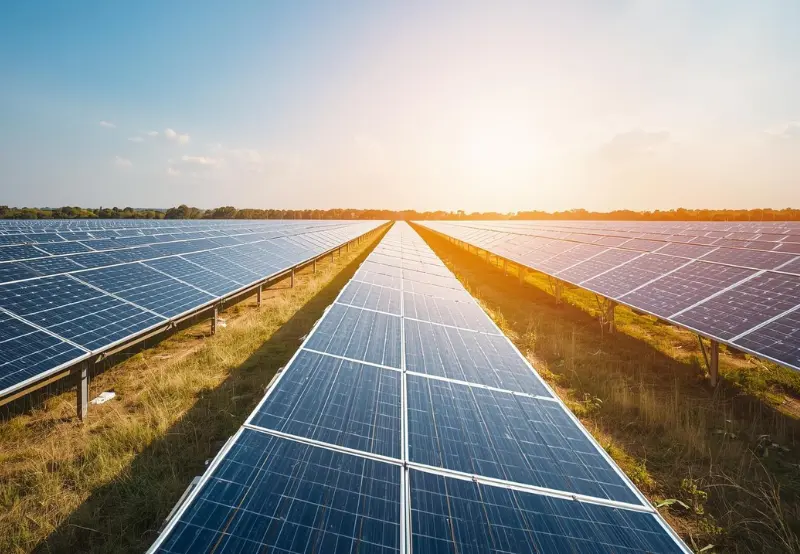
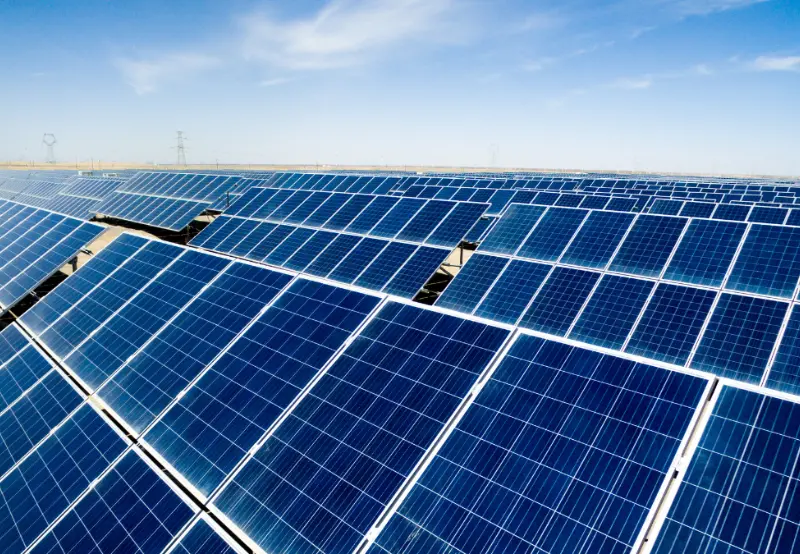
The Nagpur Metro’s Mihan and Hingna depots had been waiting for over a year to start operations of their 1.5 MW rooftop solar systems. These projects were fully installed, tested, and approved—but due to the net metering suspension, they remained idle.
Now, this capacity will finally feed power into the grid, helping the metro network reduce dependency on conventional sources and cut carbon emissions significantly.
Projects like this also help India push forward toward its national solar targets of 500 GW by 2030, with every megawatt contributing to a cleaner urban future.
3. Monthly Savings of ₹45 Lakh in Power Bills
One of the biggest upsides of this regulatory shift? Cost savings.
With the solar systems going live, Nagpur Metro is expected to save ₹45 lakh per month in electricity costs. Over a year, that translates to a whopping ₹5.4 crore, money that can be reinvested into operational upgrades, service quality, or further green initiatives.
These savings are vital in keeping metro systems economically sustainable while also reducing their environmental footprint.
4. Urban Transport Goes Green
Urban metros, while being a clean alternative to petrol/diesel transport, still consume significant power. The Maharashtra Metro Solar Project ensures that part of this electricity is now sourced from the sun, making metro operations greener than ever.
By integrating solar energy, metro authorities demonstrate a shift towards decarbonized, climate-conscious urban planning, a crucial goal as cities like Nagpur and Pune face rising temperatures and pollution levels.
5. Future Expansion Across Metro Stations
This isn’t just a win for Nagpur.
MERC’s decision clears the path for all metro depots across Maharashtra to install up to 5 MW of solar capacity with net metering. Cities like Pune and Nashik, which are expanding their metro infrastructure, now have a green light to move forward with solar-powered operations.
If each station adopts this model, Maharashtra’s urban transport sector could add tens of megawatts of clean energy annually, making it one of the largest green metro initiatives in India.
Why This Policy Change Matters
The Maharashtra Metro Solar Project is more than a policy win, it’s a case study in how regulation, infrastructure, and sustainability can align to power future-ready cities.
From reviving idle capacity and enabling financial savings to inspiring large-scale adoption across cities, this project reflects the potential of clean energy policy interventions when implemented with clarity and urgency.
As India moves toward a net-zero carbon future, initiatives like this will play a defining role. Maharashtra is setting the tone and hopefully, others will follow.