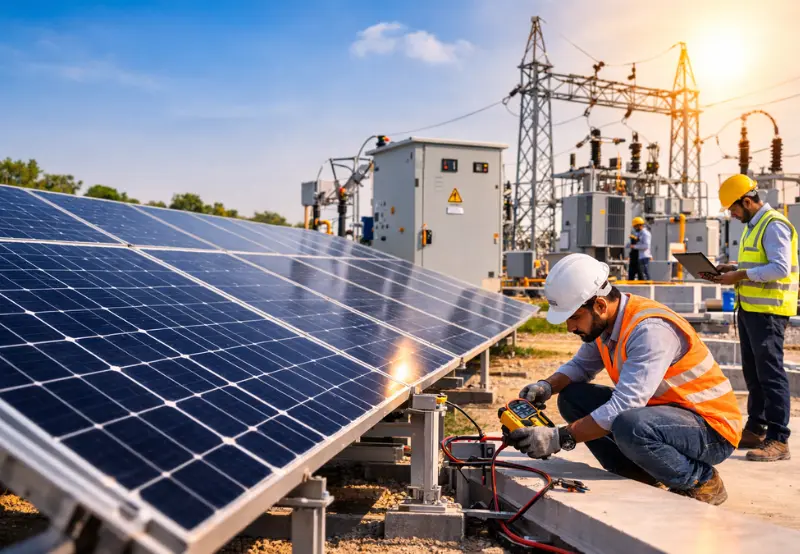
India’s solar capacity has reached 116.24 GW as of June 2025. Explore how solar-plus-storage auctions, record tendering, and national targets shape India’s renewable energy future.
📑 Table of Contents
- India’s Current Solar Capacity at a Glance
- Auction Boom: 73 GW Tendered in 2024
- Solar-Plus-Storage: Changing the Energy Game
- Battery Storage Auctions: A Price Benchmark
- India’s 2030 Renewable Energy Target
- Challenges and Opportunities in the Solar Path
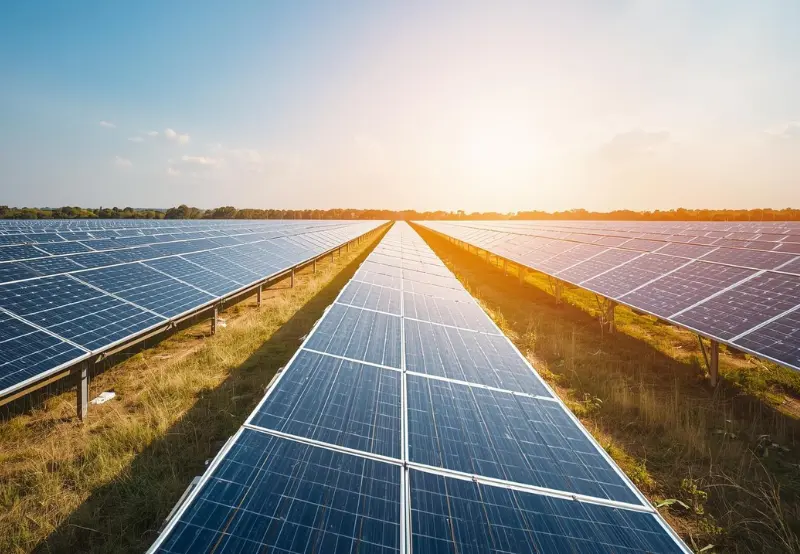
India’s solar capacity continues to grow at breakneck speed. As of June 30, 2025, the country has installed a staggering 116.24 GW of solar PV (AC). But this is just the beginning. With an eye on 500 GW of total renewable capacity by 2030, India is betting big on solar—targeting 250 GW from solar alone.
Fuelled by record-breaking auctions and falling battery costs, India’s energy landscape is shifting towards cleaner, more flexible, and decentralised generation.
1. India’s Current Solar Capacity at a Glance
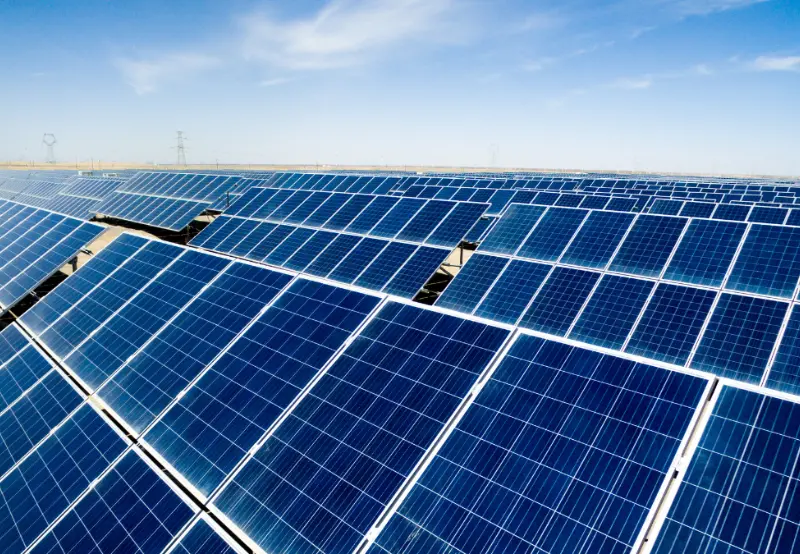
India’s solar build-up reflects rapid execution of large-scale utility projects and expansion of rooftop systems.
- Installed solar capacity (as of June 2025): 116.24 GW (AC)
- Major contributors: Rajasthan, Gujarat, Karnataka, and Tamil Nadu
- Share of total energy mix: ~14.2% (up from 9.4% in 2022)
Key developers like Adani Green, Tata Power Renewable, and ReNew Power continue to lead the charge.
2. Auction Boom: 73 GW Tendered in 2024
In 2024, India hit a record high in renewable auctions, tendering 73 GW of utility-scale clean energy. Interestingly, nearly 50% of the tendered capacity was for hybrid systems—solar-wind combinations paired with battery storage.
Auction Highlights:
- SECI, NTPC, and GUVNL led large-scale bids
- Tenders span across solar parks, interstate transmission systems (ISTS), and captive models
- Focus areas: Rajasthan, Andhra Pradesh, Maharashtra, and Madhya Pradesh
This robust auction momentum ensures project pipeline security and draws both foreign and domestic investors.
3. Solar-Plus-Storage: Changing the Energy Game
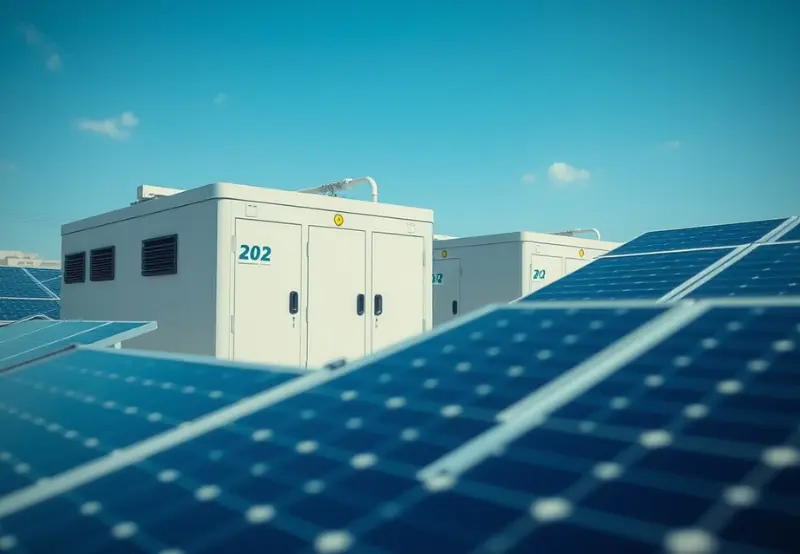
The integration of solar with battery storage is a game-changer for India. It enhances dispatchability, stabilises the grid, and supports night-time power delivery.
Current Trends:
- Tariffs for solar+storage now average ₹3.1–3.5/kWh
- Storage integration is mandatory in select bids
- Adoption in industrial zones, SEZs, and critical infrastructure is rising
Projects like ReNew’s Andhra Pradesh hybrid park and Tata Power’s Kerala BESS are showcasing bankable models.
🔗 Read how hybrid parks are transforming energy delivery
4. Battery Storage Auctions: A Price Benchmark
Standalone battery auctions in India have also started scaling up with transparent pricing benchmarks.
- Current discovered tariff: ~₹2.8 lakh/MW-month
- BESS capacity auctioned (2024–25): Over 5 GWh
- Major players: JSW Energy, Greenko, Tata Power, NHPC
India is gradually becoming a regional BESS hub, especially with government incentives through the Production Linked Incentive (PLI) Scheme.
5. India’s 2030 Renewable Energy Target
India is chasing an ambitious goal: 500 GW of non-fossil capacity by 2030, including:
- Solar: 250 GW
- Wind: 140 GW
- Hydro: 70 GW
- Biomass & others: 40 GW
India is also targeting 50% electricity from renewables by 2030, aligned with its Nationally Determined Contributions (NDCs) under the Paris Agreement.
Institutional Support:
- Green Energy Corridors to facilitate interstate power flow
- Carbon market frameworks for surplus RE generation
- Energy Storage Policy 2024 to streamline hybrid auctions
6. Challenges and Opportunities in the Solar Path
Despite the momentum, India’s solar sector faces a few hurdles:
Key Challenges:
- Land acquisition delays in certain states
- Grid infrastructure upgrades lagging behind generation growth
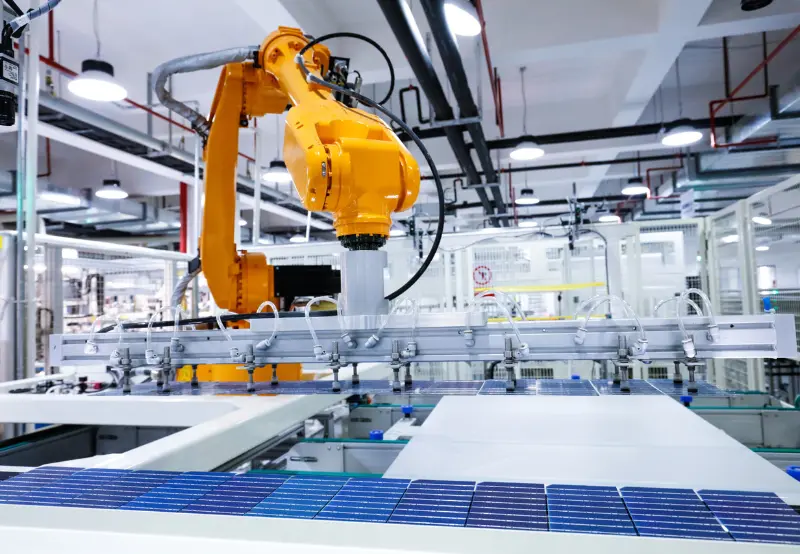
- Module import dependency still exists despite domestic push
- DISCOM payment issues affect cash flow to developers
Opportunities:
- Rising corporate green energy demand
- Push for floating solar, especially in Kerala and Maharashtra
- Growth of solar-powered cold chains and rural microgrids
With proper regulation, these can turn into strong economic levers.

India’s solar capacity surge to 116.24 GW by mid-2025 is not just a number—it’s a signal of global leadership in clean energy transformation. With auction activity at record levels and storage now embedded into grid planning, the country is building a resilient, low-carbon power system for the future.
As solar continues to shine and batteries gain traction, India is well on track to not only meet but possibly exceed its 2030 renewable targets—making it a global role model in the energy transition.