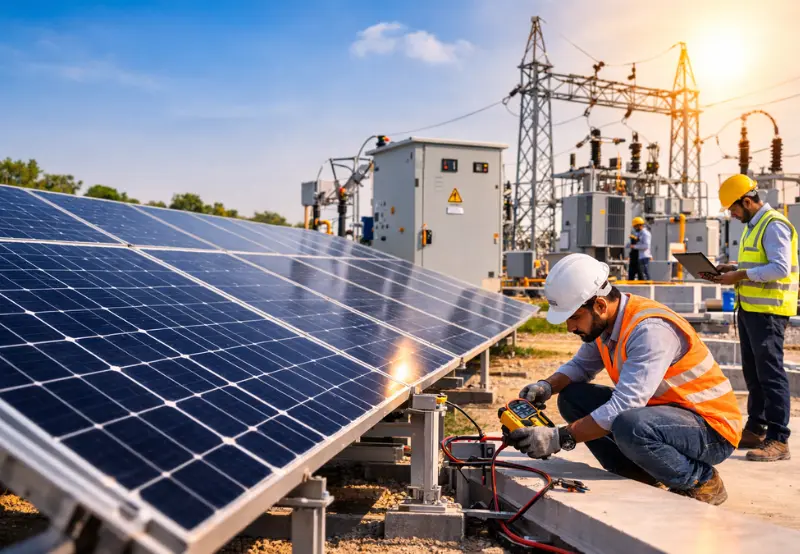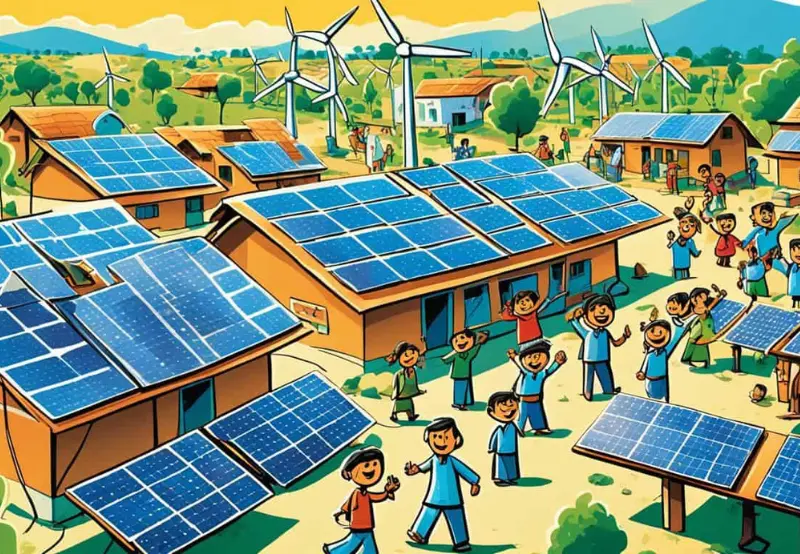

India’s model solar villages and floating solar scale-up are revolutionising 24×7 clean energy. Learn how battery storage and solar innovation are reshaping the grid.
🧭 Table of Contents
- What Are Model Solar Villages?
- Modhera: India’s First Fully Solar-Powered Village
- The Rise of Floating Solar Projects in India
- The Need for Battery Storage: India’s 2030 Challenge
- Government Policy and National Goals
- How Model Solar Villages Empower Communities
- Environmental and Economic Benefits
- Global Comparisons: India’s Unique Approach
- The Road Ahead
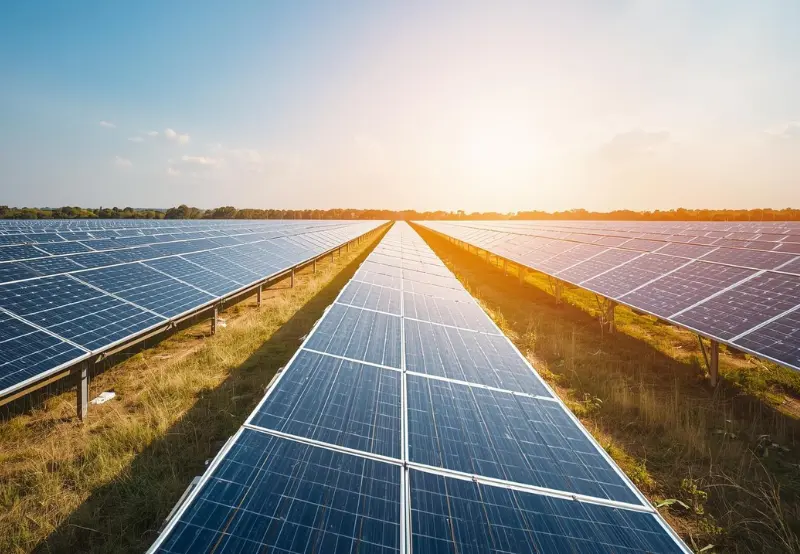
Model Solar Villages in India are setting new global benchmarks in decentralised clean energy. With the success of Gujarat’s Modhera, the country has proven that 24×7 solar-powered communities are not a dream but a working reality. Coupled with the rise of floating solar technology, India’s renewable roadmap is evolving rapidly.
However, the national ambition also brings challenges—especially around battery storage. India needs to scale from 82 GWh by 2026–27 to a staggering 336 GWh by 2030, highlighting the urgent need for storage innovation.
🌄 1. What Are Model Solar Villages?
Model Solar Villages are fully solar-powered rural communities designed with integrated microgrids, battery storage, and smart metering. These villages:
- Provide round-the-clock clean power
- Minimise dependence on fossil fuels
- Empower locals with reliable electricity access
- Reduce carbon emissions and power bills
They are usually funded via public-private partnerships and supported under schemes like the PM-KUSUM and Saubhagya.
🌍 2. Modhera: India’s First Fully Solar-Powered Village
Launched in 2022, Modhera in Gujarat became India’s first net-zero energy village. The project included:
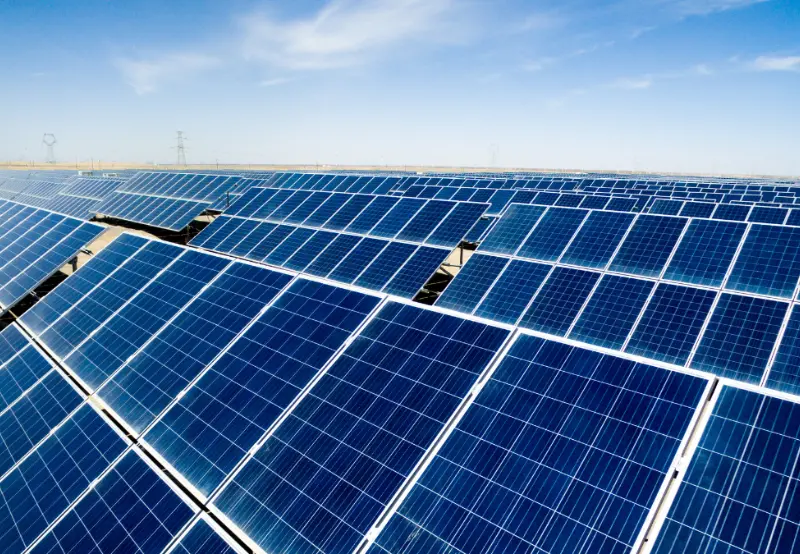
- 6 MW solar capacity (ground and rooftop)
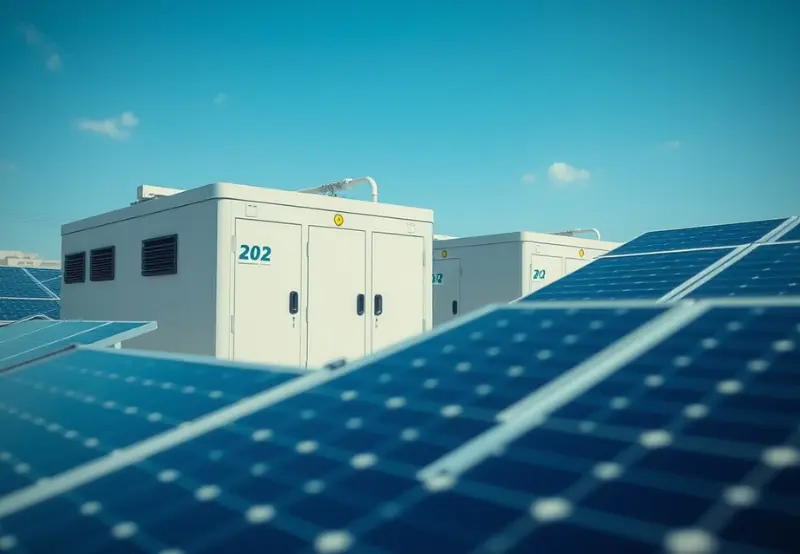
- 15 MWh battery storage
- 1,300+ households with prepaid smart meters
Residents enjoy zero electricity bills, while excess power is sold back to the grid. Modhera is now a living lab for solar innovation, and states like Rajasthan, Maharashtra, and Tamil Nadu are planning similar models.
🔗 Related Read: Solar Innovation Across India
🌊 3. The Rise of Floating Solar Projects in India
With land constraints and growing urbanisation, India is now harnessing floating solar power across reservoirs and lakes. Benefits include:
- Land conservation
- Higher efficiency due to water cooling
- Reduced water evaporation
- Grid proximity (many dams are near substations)
Notable Projects:
- Ramagundam (100 MW) – Telangana
- Omkareshwar Dam (600 MW) – Madhya Pradesh
- Hirakud Reservoir (500 MW) – Odisha
India’s floating solar potential is estimated at 18,000 MW, as per MNRE.
🔋 4. The Need for Battery Storage: India’s 2030 Challenge
The success of model solar villages depends heavily on efficient energy storage. The numbers are daunting:
- 2026–27 Target: 82 GWh
- 2030 Requirement: 336 GWh
(Source: Times of India, Financial Times, NITI Aayog)
Key Technologies:
- Lithium-ion
- Flow batteries
- Solid-state and Sodium-ion (emerging tech)
India is investing in domestic battery manufacturing under the PLI Scheme for ACC Battery Storage, but gaps remain.
🎯 5. Government Policy and National Goals
The Indian government has been aggressively promoting clean energy with:
- 500 GW non-fossil fuel target by 2030
- 24 GW rooftop solar goal
- Mandates for BESS (Battery Energy Storage Systems) in future tenders
The MNRE, SECI, and state governments are now issuing solar + storage hybrid tenders, ensuring 24/7 power availability.
🧑🤝🧑 6. How Model Solar Villages Empower Communities
The real power of these projects lies in social transformation:
- Women-led microenterprises using solar-powered tools
- Children studying at night with uninterrupted lighting
- Local job creation through training in solar installation and maintenance
By decentralising generation, these villages promote energy independence and reduce transmission losses.
💰 7. Environmental and Economic Benefits
Environmental Wins:
- Carbon savings: 2,500+ tonnes/year per village
- Reduced diesel generator usage
- Conservation of forest cover (less transmission infra)
Economic Impact:
- ₹500–700/month savings per household
- Sale of excess power back to the grid
- Increased GDP contribution from rural India
🌐 8. Global Comparisons: India’s Unique Approach
While countries like Germany, Australia, and the US are leading in distributed solar and storage, India stands out due to:
- Focus on village-level transformation
- Government-backed rural initiatives
- Scalable cost-effective models
Modhera is already being studied by researchers in South-East Asia and Africa as a replicable model.
🔮 9. The Road Ahead
The emergence of Model Solar Villages and floating solar farms in India reflects a bold shift toward inclusive, decentralised, and sustainable energy. But without massive investment in battery storage and grid upgrades, the vision may falter.
With the right policies, funding, and community participation, India can lead the world in building a net-zero rural economy, lighting up even the remotest villages—day and night.